
Window Sill Mold Cleanup
Professional cleanup of mold growth on window sills to restore a healthy indoor environment.
Window sill mold in Glen Mills, PA, thrives in damp, poorly ventilated areas, turning wooden, vinyl, or composite sills into breeding grounds for spores. Professional cleanup involves containment, targeted removal, HEPA filtration, and drying to prevent regrowth—addressing both visible mold and hidden moisture sources that cause it.
Without proper treatment, spores spread, damage surfaces, and return within months. Homeowners should act when mold covers more than a small patch, recurs after cleaning, or emits a musty odor with no visible source.
We also handle Mold Removal & Remediation and Water Damage Restoration for Glen Mills properties.
When window sill mold needs professional help
Mold on window sills often starts small but can signal a larger moisture issue if ignored. DIY cleaning may temporarily hide the problem, but spores regrow quickly if the underlying cause—like condensation, leaks, or poor airflow—isn’t fixed.
In Glen Mills’ humid climate, window sills are especially vulnerable, particularly in basements, bathrooms, and sunrooms where humidity lingers.
Professional cleanup is typically recommended when mold covers more than a few square feet, keeps returning after cleaning, or is accompanied by a musty smell with no visible source. Hidden growth—behind sills, inside walls, or in ductwork—often requires removal of contaminated materials and structural drying to stop regrowth.
A licensed contractor also ensures proper containment and clearance testing to confirm the job is complete.
Signs Your Window Sill Mold Needs a Professional
- Mold covers more than a small, isolated patch (typically over 25 square feet of contiguous growth).
- The mold returns within weeks of cleaning, even after scrubbing with bleach or vinegar.
- A musty odor persists in the room even after visible mold is removed, suggesting hidden growth.
- The affected area feels damp to the touch or has water stains, indicating an unresolved moisture source.
- You notice mold spreading to other surfaces, like walls or ceilings, near the window sill.
What affects cost and timeline for window sill mold cleanup
The cost and time needed for window sill mold cleanup depend on the size of the affected area, the type of materials involved, and whether hidden growth or moisture issues are found during the job.
Surface-level mold on non-porous materials like vinyl or tile is less costly to treat than deep-seated growth in wooden framing or insulation, which may require cutting out and replacing contaminated sections.
Additional factors, like the need for structural drying, containment setup, and clearance testing, also influence the total cost. Jobs in Glen Mills typically range from smaller, surface-level treatments to more extensive remediation when mold has spread or hidden moisture sources are discovered.
Always confirm whether a quote includes inspection, containment, testing, and post-remediation verification to avoid unexpected charges.
Why containment and clearance testing matter
During window sill mold cleanup, containment—using plastic sheeting and negative-air machines—keeps spores generated during removal from spreading to other parts of your home. Without this step, disturbed spores can drift through hallways, HVAC systems, or open doorways, turning a small job into a larger contamination issue.
Skipping containment risks hidden regrowth in unaffected areas.
Clearance testing, conducted by an independent third party after remediation, verifies that spore levels have returned to normal ranges. This step is critical because it confirms the job is complete and the space is safe.
Some contractors may omit testing to save time or money, but without it, there’s no way to know if the mold has truly been addressed—or if it will return.
Assuming the job is done once visible mold is gone—hidden moisture sources often cause regrowth. Skipping clearance testing—without it, you won’t know if spores remain. Ignoring humidity in the affected room—stagnant air encourages mold to return. These oversights turn a one-time cleanup into a recurring problem.
How window sill mold cleanup works
Professional cleanup follows strict steps to remove mold safely and prevent regrowth.
- 1Containment Setup
Plastic sheeting seals off the work area, and negative-air machines create a vacuum that pulls spores into HEPA filters instead of letting them spread through the home. This step is critical to prevent cross-contamination.
- 2Mold Removal and Material Handling
Porous materials like drywall or insulation that absorb mold are cut out and bagged, while non-porous surfaces like tile or framing are scrubbed with antimicrobial solutions. The goal is to eliminate spores without releasing them into the air.
- 3HEPA Filtration and Drying
HEPA air scrubbers run continuously during the job, and surfaces are vacuumed with HEPA-equipped tools to capture remaining spores. Industrial dehumidifiers and air movers dry the affected area to prevent mold from returning due to lingering moisture.
- 4Clearance Testing
An independent lab tests air or surface samples to confirm spore levels are back to normal before containment is removed. This step ensures the cleanup was thorough and the space is safe to reoccupy.
- 5Moisture Source Inspection
The crew checks for and addresses the root cause—like leaks, condensation, or poor ventilation—that allowed mold to grow in the first place. Fixing this source is essential to prevent future growth.
Frequently asked questions
How do I know if my window sill mold is a sign of a bigger problem?
If the mold keeps returning after cleaning, covers more than a small area, or you notice a musty smell with no visible source, it’s likely a sign of hidden moisture or poor ventilation. Professionals can inspect for leaks, condensation, or grading issues that feed the problem.
Can I clean window sill mold myself, or should I call a professional?
Small, isolated patches can sometimes be cleaned with vinegar or a commercial mold cleaner, but if the mold is extensive, returns quickly, or you suspect hidden growth, professional remediation is safer. DIY methods often miss spores and don’t address moisture sources.
Why does the quote for mold cleanup vary so much?
Cost depends on the size of the affected area, the materials involved (e.g., wood vs. tile), whether hidden mold or moisture issues are found, and whether containment, drying, and clearance testing are included. Always ask for an itemized scope to compare bids accurately.
How long does it take to clean up mold from a window sill?
Surface-level mold on a single sill may take a few hours, while deeper infestations requiring material removal, drying, and testing can take a full day or more. The timeline also depends on whether the crew discovers and fixes hidden moisture sources during the job.
See Wawa, PA for more, or find out about our full crew's Glen Mills services in detail for our complete lineup.
Ready to get started?
Talk to a local mold remediation pro in Glen Mills — get a written quote.
Other Mold Remediation Services in Glen Mills
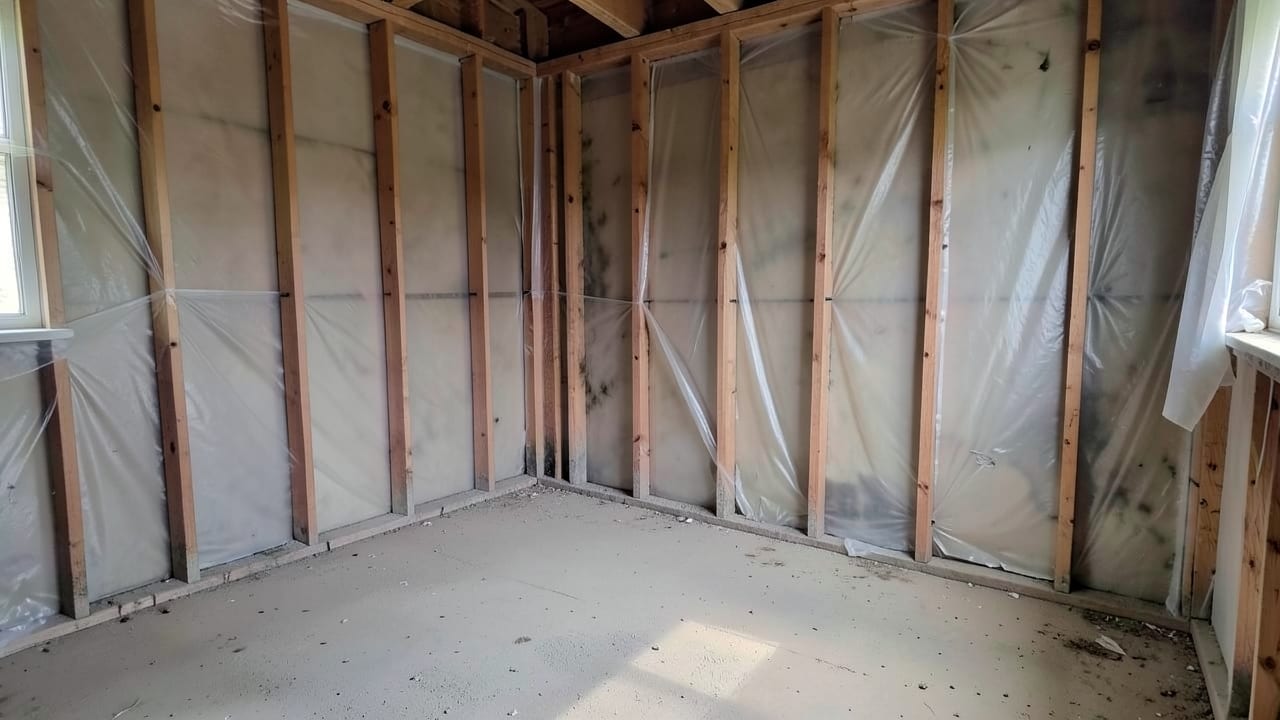
Mold Removal & Remediation in Glen Mills, PA
Mold removal and remediation in Glen Mills, PA — containment, HEPA filtration, and removal of affected material following industry (IICRC S520) protocol.
Learn More
Water Damage Restoration in Glen Mills, PA
Water damage restoration in Glen Mills, PA — extraction and structural drying to stop mold growth before it starts, following a leak, storm, or flood.
Learn More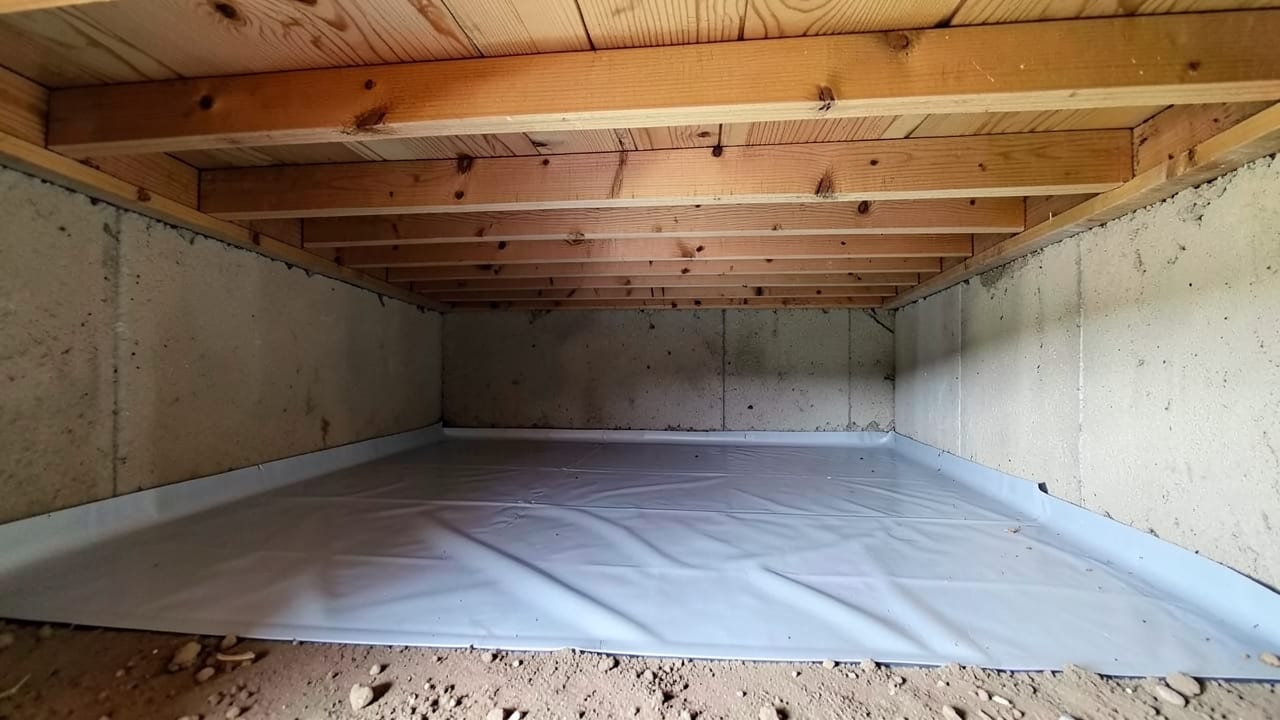
Crawl Space & Basement Mold Remediation in Glen Mills, PA
Crawl space and basement mold remediation in Glen Mills, PA addresses the two areas of a property most prone to trapped, unnoticed moisture.
Learn More
Attic Mold Remediation in Glen Mills, PA
Attic mold remediation in Glen Mills, PA addresses roof-deck growth typically caused by poor ventilation or a hidden roof leak.
Learn More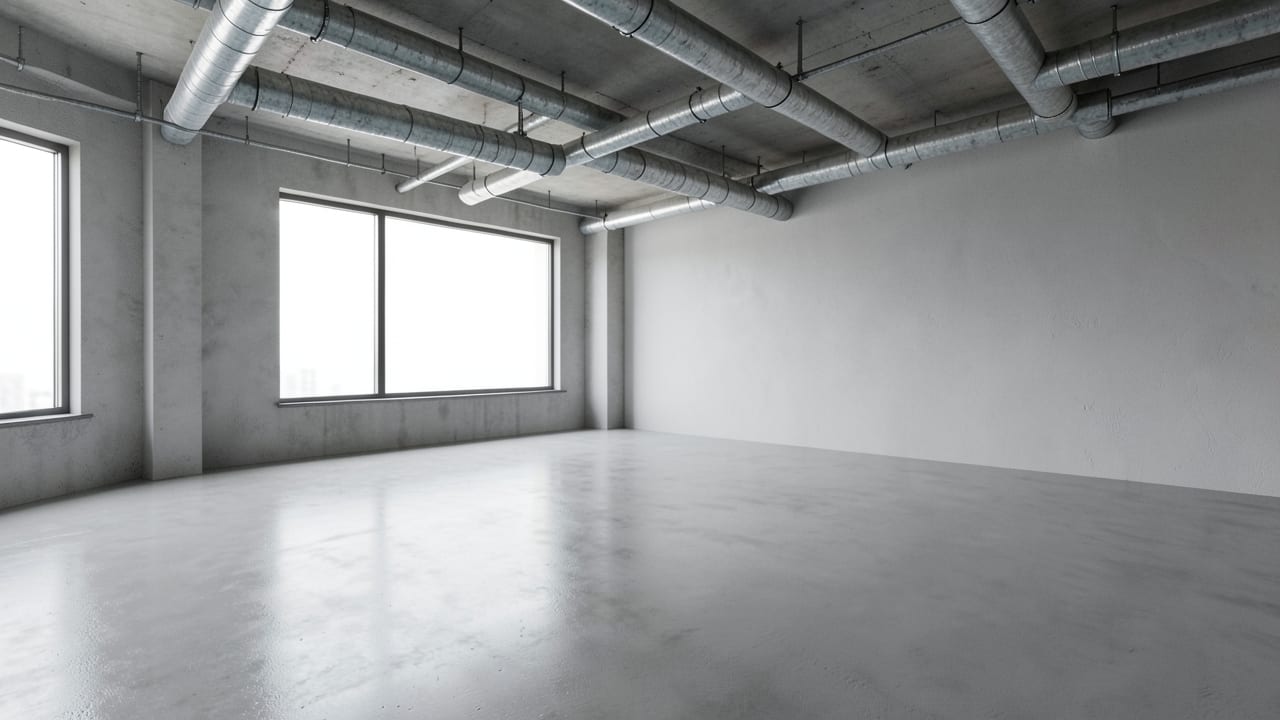
Commercial Mold Remediation in Glen Mills, PA
Commercial mold inspection and remediation in Glen Mills, PA for offices, retail space, and multi-unit properties, scheduled around business operations.
Learn More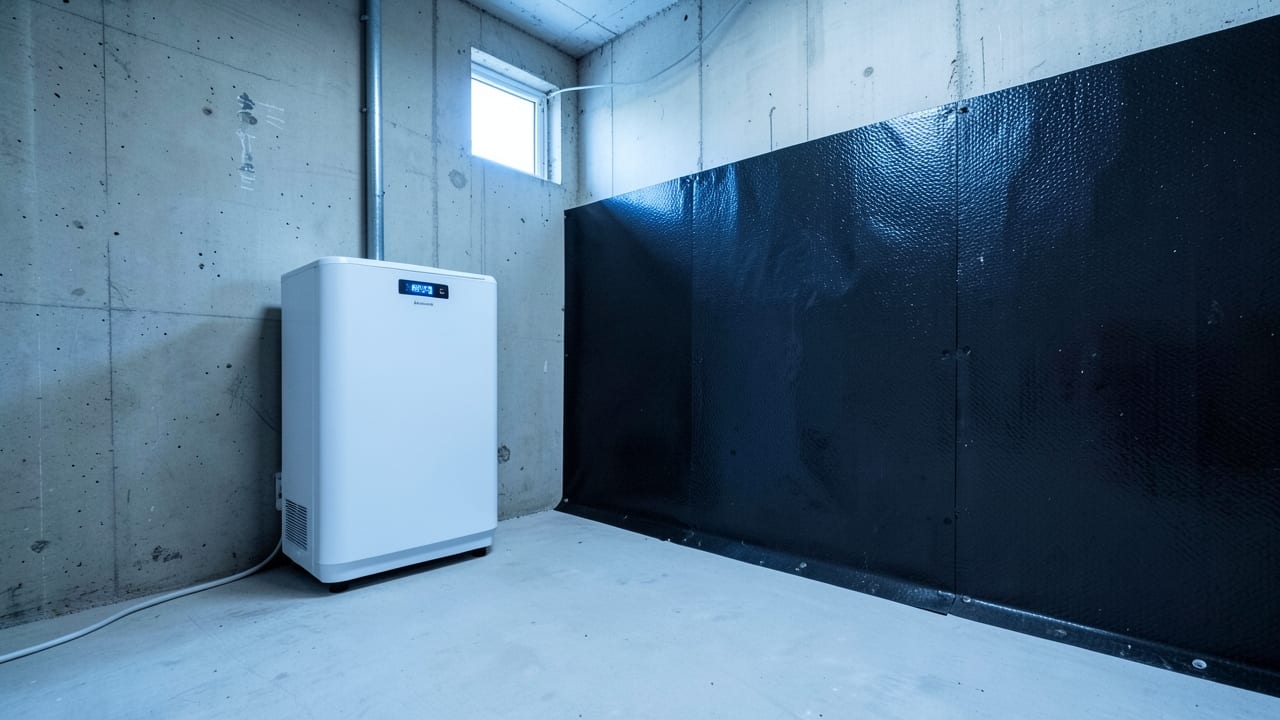
Mold Prevention & Moisture Control in Glen Mills, PA
Mold prevention and moisture control in Glen Mills, PA — addressing ventilation, humidity, and drainage before growth starts, not after.
Learn MoreCommon Questions About Mold Remediation in Glen Mills
Everything you need to know about mold remediation services in Glen Mills
How much does Window Sill Mold Cleanup typically cost in Glen Mills, PA?
Why does Glen Mills, PA's humidity make mold a bigger risk than in drier regions?
Does mold mean the same thing as mildew?
Does homeowners insurance typically cover mold remediation?
Is black mold actually more dangerous than other mold types?
How long does a typical mold remediation job take?
Need Mold Remediation in Glen Mills?
Connect with local providers in Glen Mills for a detailed quote.
⏰ We answer your call • Serving all of Glen Mills and surrounding areas