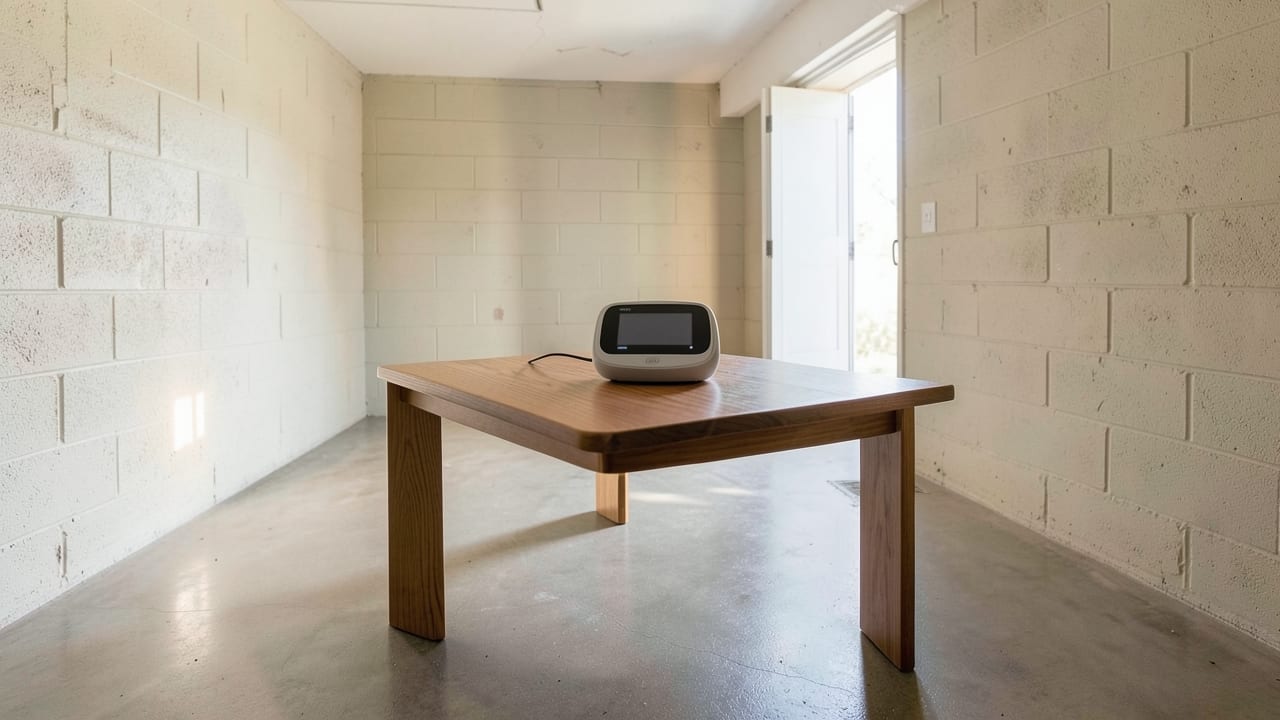
Pre-Sale Mold Clearance
Pre-sale mold clearance involves inspection and testing to confirm a property is mold-free before purchase.
Pre-sale mold clearance in Glen Mills, PA, is a critical step for homeowners selling their property. It involves a thorough inspection and testing process to identify and document any mold presence before a home goes on the market.
This helps avoid delays in closing and ensures buyers are aware of any potential issues upfront.
We also handle Plaster Mold Remediation and Ceiling Mold Removal for Glen Mills properties.
Why mold clearance matters before selling
Mold can hide in unseen areas like basements, attics, and behind walls, making it a common concern during home sales. Even if mold isn’t visible, its presence can raise red flags for buyers, potentially complicating the transaction. A pre-sale clearance helps address these issues transparently.
Many buyers conduct inspections before purchasing, and mold can lead to renegotiations or even canceled deals. Addressing it proactively protects both the seller’s timeline and the buyer’s health. It also ensures any remediation work is done correctly, reducing the risk of recurrence.
Signs Mold May Be Present in Your Home
- A persistent musty or earthy smell in closets, bathrooms, or crawl spaces that doesn’t fade with ventilation.
- Visible mold growth—black, green, or brown spots—on drywall, grout, window frames, or under carpets.
- A history of leaks or floods, even if the area was dried afterward, as hidden moisture can still fuel mold.
- Health symptoms like sneezing, headaches, or itchy eyes that improve when spending time away from a specific room.
What the process involves
A pre-sale mold clearance begins with a visual inspection, where a trained professional checks for obvious signs of mold and moisture. Tools like moisture meters and thermal imaging help identify hidden dampness in walls, floors, and ceilings that isn’t visible to the naked eye.
If mold is suspected but not immediately visible, air and surface samples are collected from affected areas and a control room. These samples are sent to an independent lab for analysis, which typically takes 2–5 business days.
The lab reports back on spore counts and species, helping determine the next steps.
Key questions about mold clearance
Many homeowners wonder whether mold clearance is legally required in Pennsylvania. While there’s no state mandate, lenders and buyers often request it to ensure a smooth sale. Addressing mold proactively can prevent last-minute surprises and keep the transaction on track.
Even if mold isn’t visible, hidden moisture can lead to future growth. A thorough inspection traces moisture sources—like roof leaks, plumbing issues, or poor ventilation—to help prevent recurrence after remediation.
Maintaining indoor humidity below 50% (measured with a hygrometer) and fixing leaks promptly can reduce the risk of mold growth. Running bathroom exhaust fans for 20–30 minutes after showers helps clear excess moisture, and seasonal checks of crawl spaces or basements can catch early signs of dampness.
How pre-sale mold clearance works
- 1Visual and Moisture Inspection
A professional walks through the home, checking for visible mold, staining, and musty odors. Moisture meters and thermal imaging identify hidden dampness in walls, floors, and ceilings that may not be obvious.
- 2Sample Collection
If mold is suspected but not visible, air and surface samples are taken from affected areas and a control room. These samples are labeled and sealed to prevent cross-contamination before being sent to an independent lab.
- 3Lab Analysis
The lab analyzes samples for spore counts and species, comparing results to the control room’s baseline. This helps determine whether mold is present and, if so, its severity and type.
- 4Moisture Source Diagnosis
The inspector traces moisture back to its origin—such as roof leaks, plumbing issues, or poor ventilation—to address the root cause. Without fixing the moisture source, mold can return even after remediation.
- 5Written Scope Report
Findings are documented in a report detailing affected materials, moisture sources, and square footage. This report guides any necessary remediation and may be required by law before work begins in Pennsylvania.
Frequently asked questions
Do I need mold clearance if I don’t see any mold in my home?
Even if mold isn’t visible, hidden moisture can lead to growth behind walls, under floors, or in attics. A professional inspection checks for these issues, ensuring no surprises during a sale. Many buyers request clearance as part of their due diligence.
How long does the entire mold clearance process take?
The inspection and sample collection typically take a few hours. Lab results usually return in 2–5 business days, after which a report is generated. If remediation is needed, that timeline depends on the scope of the work.
Will mold clearance delay my home sale?
Addressing mold upfront can actually speed up the sale by avoiding last-minute negotiations or delays. A clear report reassures buyers and lenders, making the process smoother. The time spent on clearance is usually minimal compared to the potential fallout of hidden mold.
Can I handle mold removal myself to save money?
DIY removal can spread spores and worsen contamination if not done correctly. Professional remediation ensures proper containment, safe removal, and moisture source fixes. A clearance test afterward confirms the work was effective, which is especially important for pre-sale compliance.
See Parkside, PA for more, or take a look at how our Glen Mills crew can help on a single page for our complete lineup.
Ready to get started?
Talk to a local mold remediation pro in Glen Mills — get a written quote.
Other Mold Remediation Services in Glen Mills
Plaster Mold Remediation in Glen Mills, PA
Professional removal and treatment of mold from plaster surfaces in homes.
Learn More
Ceiling Mold Removal in Glen Mills, PA
Professional removal of mold growth from ceilings, including containment and cleanup.
Learn More
Window Sill Mold Cleanup in Glen Mills, PA
Professional cleanup of mold growth on window sills to restore a healthy indoor environment.
Learn More
Flood Damage Mold Remediation in Glen Mills, PA
Professional mold removal and remediation after flood damage in homes.
Learn More
Sewer Backup Mold Cleanup in Glen Mills, PA
Professional cleanup of mold caused by sewer backups in homes.
Learn More
Pipe Leak Mold Removal in Glen Mills, PA
Professional removal of mold caused by pipe leaks in homes.
Learn MoreCommon Questions About Mold Remediation in Glen Mills
Everything you need to know about mold remediation services in Glen Mills
How much does Pre-Sale Mold Clearance typically cost in Glen Mills, PA?
Why does Glen Mills, PA's humidity make mold a bigger risk than in drier regions?
How does mold remediation actually prevent the problem from coming back?
Can mold growing inside HVAC ductwork spread to the rest of a home?
Does mold mean the same thing as mildew?
Does homeowners insurance typically cover mold remediation?
Need Mold Remediation in Glen Mills?
Connect with local providers in Glen Mills for a detailed quote.
⏰ We answer your call • Serving all of Glen Mills and surrounding areas