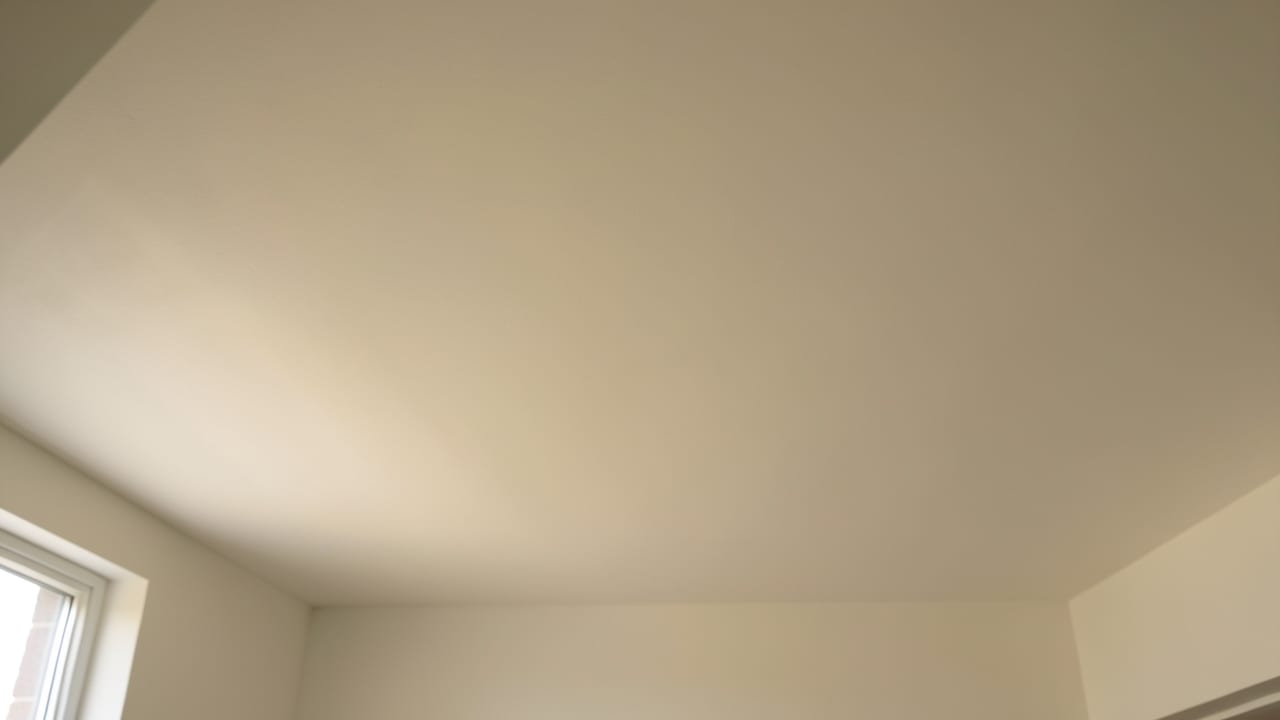
Ceiling Mold Removal
Professional removal of mold growth from ceilings, including containment and cleanup.
Ceiling mold removal in Glen Mills, PA addresses hidden or visible mold colonies growing on overhead surfaces like drywall, insulation, or framing. Unlike surface cleaning, professional remediation involves containment, material removal, HEPA filtration, and moisture control to prevent regrowth.
Recognizing when a problem requires professional help—such as persistent growth or hidden moisture—can help protect your home from further damage.
We also handle HVAC Mold Remediation and Drywall Mold Remediation for Glen Mills properties.
When ceiling mold needs professional removal
Mold covering more than a small patch, returning after cleaning, or hidden behind materials often signals a deeper issue. In Pennsylvania, mold growth exceeding 25 square feet typically requires professional remediation, as DIY methods may miss hidden spores or moisture sources.
A musty smell with no visible mold, especially when HVAC runs, often indicates hidden growth in walls, ducts, or framing.
Ceilings in damp areas like basements, bathrooms, or windowless rooms are especially vulnerable. If mold keeps reappearing in the same spot, the moisture source—such as a leak, condensation, or poor airflow—hasn’t been addressed. Professional remediation focuses on removing the mold *and* fixing the underlying cause to help prevent recurrence.
Signs Your Ceiling Mold Needs Professional Help
- Mold covers more than 10–20 square feet (past typical DIY scale)
- Growth returns within weeks after cleaning or wiping
- Musty smell persists even after visible mold is gone
- Mold appears in multiple rooms or hidden behind materials
- Ceiling materials (drywall, insulation) feel damp or swollen
What affects cost and timeline for ceiling mold removal
The size of the affected area, type of materials (porous vs. non-porous), and whether black mold (Stachybotrys) is present all influence pricing. Porous materials like drywall or insulation are often removed rather than cleaned, while non-porous surfaces like tile or metal framing can be treated.
Hidden mold behind walls or in ductwork requires additional labor to access and remediate.
Containment setup, HEPA air scrubbing, and clearance testing add time and cost but are critical to prevent spore spread. Structural drying with dehumidifiers may be needed if framing or subfloors are damp. A typical single-room job in the Glen Mills area ranges broadly based on these factors.
What to watch for in a mold removal quote
Not all quotes cover the same steps—containment, clearance testing, and moisture source fixes may be priced separately. A low estimate that excludes these could leave hidden spores behind or lead to regrowth. Always ask whether the quote includes inspection, remediation, and third-party testing to confirm the work is complete.
A written scope of work with square footage specified helps avoid surprises during demolition. Hidden mold discovered during removal should be addressed with a clear change-order process to prevent disputes.
Pennsylvania does not require a dedicated mold license, but contractors must register under HICPA if earning over $5,000/year from home improvement work.
| Red Flag | Why It Matters |
|---|---|
| No written scope of work | Hard to compare bids or hold the contractor accountable |
| Pressure to sign during inspection | Legitimate scopes take time to prepare accurately |
| Full payment upfront | Removes leverage if work isn’t completed as agreed |
| No mention of clearance testing | No independent confirmation the job worked |
How ceiling mold removal works
Professional remediation follows a controlled process to safely eliminate mold and prevent spore spread.
- 1Containment Setup
Plastic sheeting and negative-air machines seal the work area, creating a contained zone to trap spores stirred up during removal. Doors and vents are blocked to prevent cross-contamination.
- 2Material Removal or Cleaning
Porous materials like drywall or insulation are cut out and bagged, while non-porous surfaces (tile, metal) are scrubbed and treated. HEPA vacuums and air scrubbers run continuously to capture airborne spores.
- 3Structural Drying
Industrial dehumidifiers and air movers dry framing and subfloors to normal moisture levels, as mold regrows on damp materials even after visible traces are removed.
- 4Clearance Testing
An independent lab tests air or surfaces post-remediation to confirm spore counts are back to normal levels before containment is removed.
- 5Moisture Source Fix
The underlying cause—leaks, condensation, or poor airflow—is addressed to help prevent future growth. Rooms prone to dampness may need fans or dehumidifiers long-term.
Frequently asked questions
Can I just wipe down ceiling mold myself?
Surface cleaning may remove visible mold, but spores can linger in porous materials or return if the moisture source isn’t fixed. For growth over 10 square feet or hidden behind materials, professional remediation is recommended to prevent regrowth.
How long does ceiling mold removal take?
A single-room job typically takes 1–3 days, depending on containment setup, material removal, drying time, and clearance testing. Hidden mold or large areas may extend the timeline.
Will my insurance cover ceiling mold removal?
Some policies cover mold damage if caused by a covered event (e.g., burst pipe), but exclusions vary. Check your policy or contact your agent to confirm coverage details before hiring a contractor.
How do I know if the mold is gone after remediation?
A post-remediation clearance test by an independent lab confirms spore counts are back to normal. Without testing, there’s no way to verify whether all mold—and spores—have been fully removed.
See Rutledge, PA for more, or discover the mold remediation work we do around Glen Mills before booking for our complete lineup.
Ready to get started?
Talk to a local mold remediation pro in Glen Mills — get a written quote.
Other Mold Remediation Services in Glen Mills
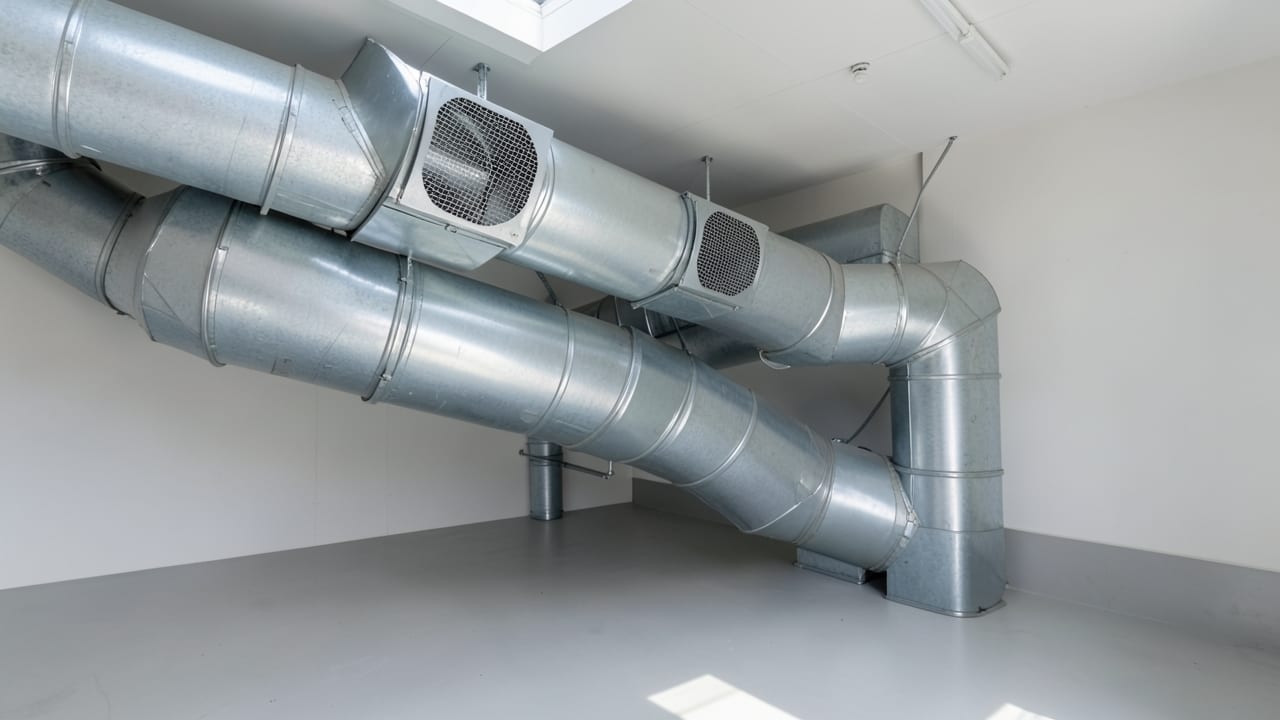
HVAC Mold Remediation in Glen Mills, PA
HVAC and ductwork mold remediation in Glen Mills, PA — mold growing inside the air handler or duct system, spreading through every vent.
Learn More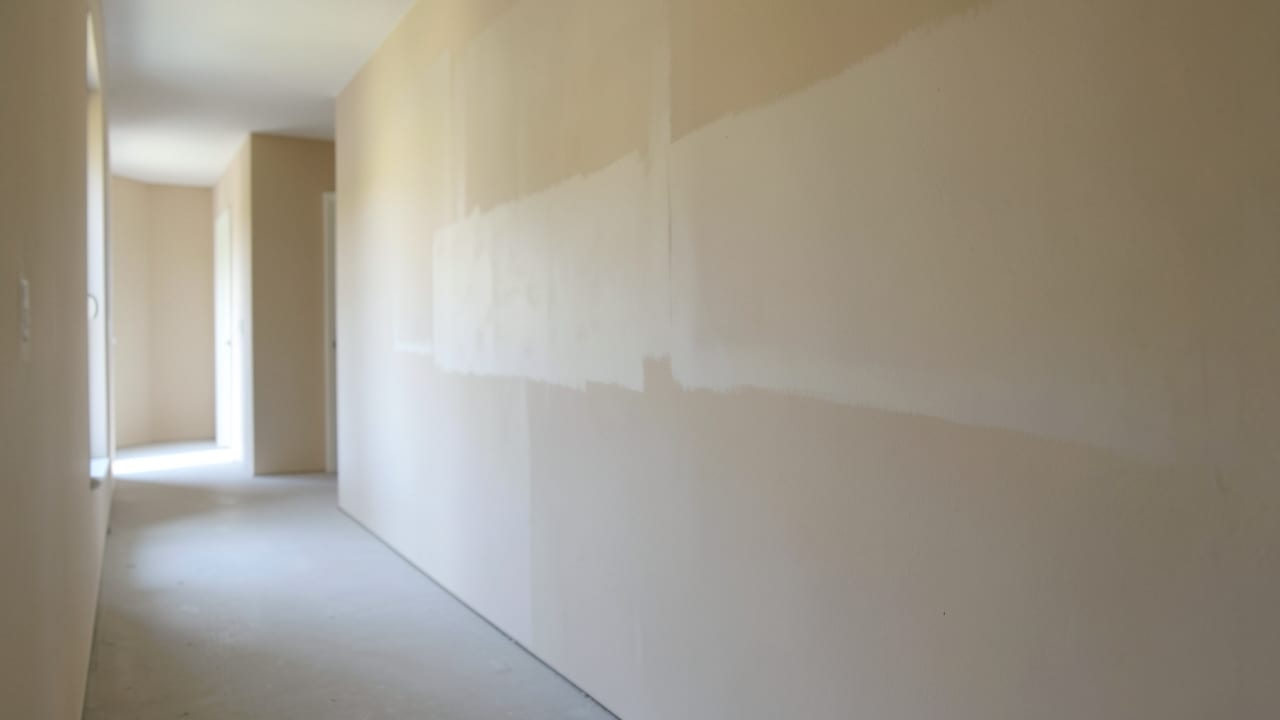
Drywall Mold Remediation in Glen Mills, PA
Professional removal and treatment of mold growth behind or on drywall surfaces.
Learn More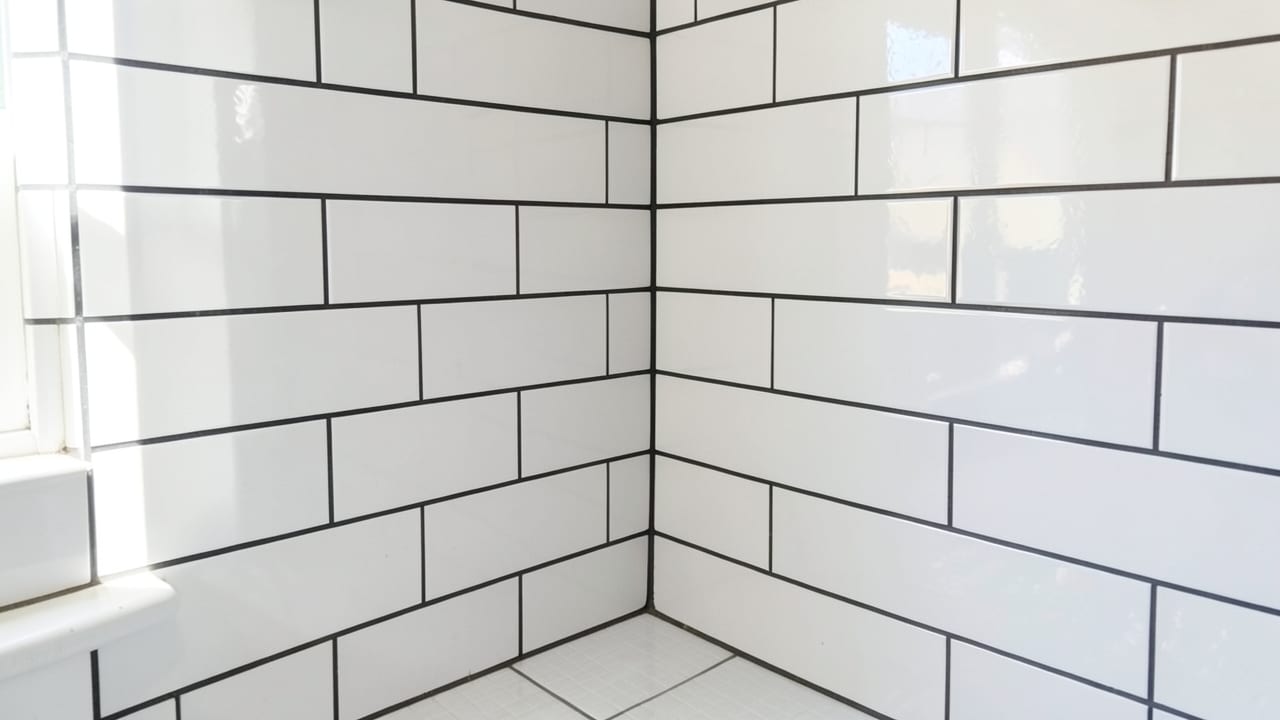
Bathroom Mold Removal in Glen Mills, PA
Professional assessment and removal of mold in bathrooms to restore a safe, clean environment.
Learn More
Kitchen Mold Cleanup in Glen Mills, PA
Professional assessment and removal of mold in kitchen areas to restore a safe, clean environment.
Learn More
Carpet Mold Treatment in Glen Mills, PA
Professional assessment and removal of mold growth from carpets to restore a safe indoor environment.
Learn More
Concrete Mold Remediation in Glen Mills, PA
Professional removal and treatment of mold from concrete surfaces in homes.
Learn MoreCommon Questions About Mold Remediation in Glen Mills
Everything you need to know about mold remediation services in Glen Mills
How much does Ceiling Mold Removal typically cost in Glen Mills, PA?
Why does Glen Mills, PA's humidity make mold a bigger risk than in drier regions?
Is it safe to stay in the home during mold remediation?
Can small mold problems be handled without hiring anyone?
What's the actual difference between mold removal and mold remediation?
Is a final clearance test part of a typical mold remediation job?
Need Mold Remediation in Glen Mills?
Connect with local providers in Glen Mills for a detailed quote.
⏰ We answer your call • Serving all of Glen Mills and surrounding areas