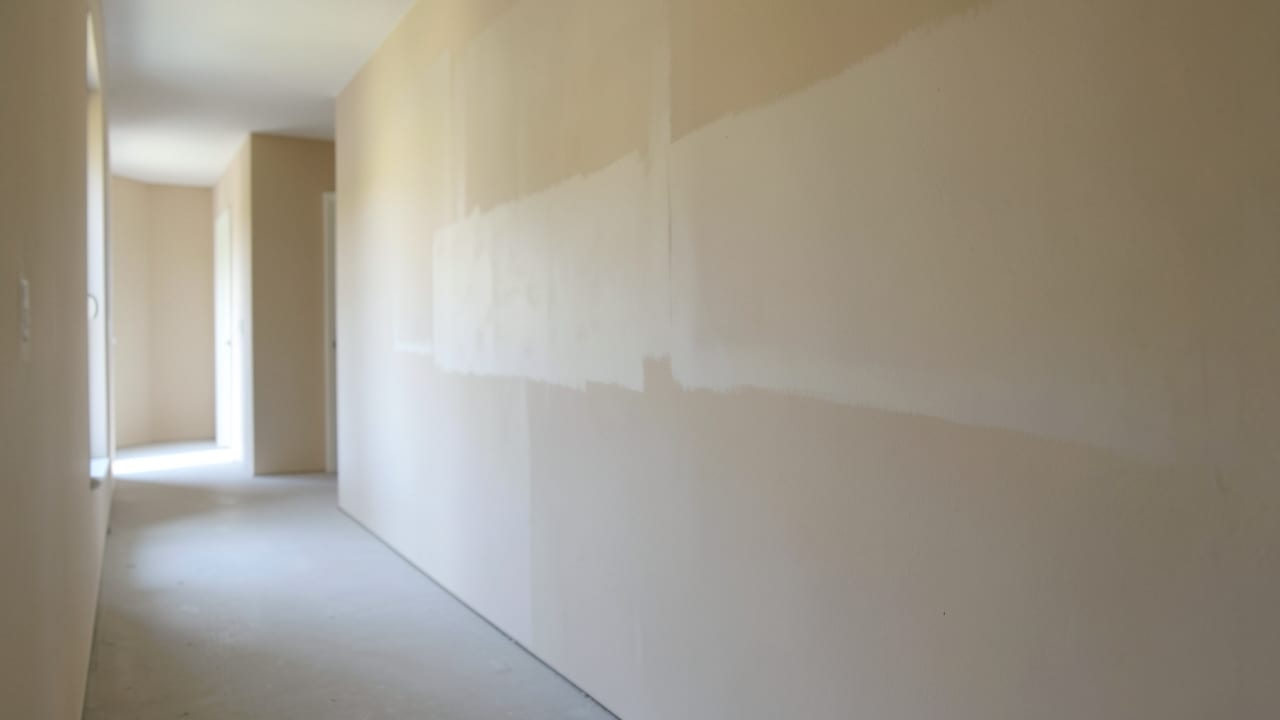
Drywall Mold Remediation
Professional removal and treatment of mold growth behind or on drywall surfaces.
Drywall mold remediation in Glen Mills, PA, involves safely removing contaminated drywall and restoring affected areas to prevent spore spread. Proper containment, HEPA filtration, and moisture control are critical to stopping regrowth and ensuring long-term results.
This process is essential when mold covers more than a small area or keeps returning after cleaning attempts.
We also handle Carpet Mold Treatment and Concrete Mold Remediation for Glen Mills properties.
When is drywall mold remediation needed?
Mold growth on drywall often signals a deeper moisture issue that won’t resolve with surface cleaning alone. If mold covers more than a few square feet, keeps returning after treatment, or emits a musty odor with no visible source, professional remediation is typically required.
Hidden growth—such as behind walls or under flooring—often spreads through HVAC systems, making containment and thorough inspection essential.
Rooms with poor airflow, like windowless bathrooms or basements, are especially prone to persistent dampness. If a small fan or dehumidifier doesn’t resolve the issue, the moisture source (like a leak or grading problem) may need professional evaluation to prevent recurrence.
Signs You Need Drywall Mold Remediation
- Mold covers more than 25 contiguous square feet (a common threshold for professional work).
- Growth returns within weeks after cleaning, suggesting the moisture source wasn’t addressed.
- A musty smell persists even after visible mold is removed, indicating hidden growth.
- The HVAC system spreads the odor throughout the house when turned on, suggesting duct contamination.
What affects pricing and timeline?
Pricing for drywall mold remediation in Glen Mills varies based on the size of the affected area, the severity of contamination, and whether black mold (Stachybotrys) is confirmed.
Surface-level mold on drywall or tile typically costs between $490 and $1,970 per room, while black mold cases may run 15–25% higher for the same square footage. Hidden mold behind walls or under flooring adds labor and materials costs.
Timelines depend on containment setup, removal of porous materials, drying time, and clearance testing. A single room may take 1–3 days, while extensive contamination or structural drying delays can extend the process. Post-remediation testing is critical to confirm spore levels are safe before reoccupying the space.
What to watch for in a remediation provider
Not all mold remediation follows the same safety and effectiveness standards. Critical steps—like containment, HEPA filtration, and moisture control—ensure spores don’t spread or return.
A provider should offer a written scope of work, separate pricing for containment and clearance testing, and confirm compliance with Pennsylvania’s Home Improvement Consumer Protection Act (HICPA) if earning over $5,000 annually from home improvement work.
Avoid quotes that exclude key steps like testing or containment, or pressure to sign contracts during the inspection. Independent clearance testing after remediation is the only way to verify the job was done thoroughly.
| Red Flag | Why It Matters |
|---|---|
| No written scope of work | Makes it impossible to compare bids or hold the provider accountable for missing steps. |
| Pressure to sign during inspection | Legitimate scopes take time to prepare; rushing skips your chance to compare options. |
| No mention of post-remediation testing | Without clearance testing, there’s no confirmation the mold was fully removed. |
| Full payment upfront | Removes leverage if the work isn’t completed as promised. |
How drywall mold remediation works
This process prioritizes containment, safe removal, and moisture control to prevent spore spread and regrowth.
- 1Containment Setup
Plastic sheeting and negative-air machines seal the work area, trapping spores stirred up during removal and preventing them from spreading to other parts of the home.
- 2Removal of Contaminated Materials
Porous materials like drywall and insulation—where mold grows deep—are cut out and bagged inside containment. Non-porous surfaces, like framing, are scrubbed and treated instead of discarded.
- 3HEPA Filtration and Cleanup
HEPA-filtered air scrubbers run continuously during removal, and surfaces are vacuumed with HEPA-equipped tools to capture spores. Standard shop vacuums or non-HEPA filters recirculate spores instead of removing them.
- 4Structural Drying
Industrial dehumidifiers and air movers dry framing and subfloors to normal moisture levels, as mold regrows on damp materials even after visible traces are gone.
- 5Clearance Testing
An independent lab tests air or surfaces post-remediation to confirm spore counts are within safe ranges before containment is removed and the area is reoccupied.
Frequently asked questions
How do I know if my drywall mold is severe enough for professional remediation?
If mold covers more than 25 square feet, keeps returning after cleaning, or you notice a musty smell with no visible source, professional remediation is typically needed. Hidden growth—like behind walls or in HVAC ducts—often requires containment and structural inspection to address fully.
Will my insurance cover drywall mold remediation?
Many homeowners’ policies cover mold damage if it’s sudden (like from a burst pipe) and not due to long-term neglect. However, gradual mold growth or failure to address moisture issues may be excluded. Check your policy or contact your insurer to confirm coverage before hiring a provider.
How long does it take to remediate mold in a single room?
A typical room takes 1–3 days, depending on containment setup, removal of materials, drying time, and clearance testing. Complex cases—like hidden mold or extensive structural drying—may require additional time to ensure spores are fully contained and moisture levels are stable.
Can I paint over moldy drywall after remediation?
No—painting over moldy drywall without proper removal and treatment can trap spores and cause regrowth. After remediation, new drywall or treated surfaces must be fully dry and clearance-tested before painting or reoccupying the space.
See Woodlyn, PA for more, or explore the mold remediation work we do around Glen Mills for our complete lineup.
Ready to get started?
Talk to a local mold remediation pro in Glen Mills — get a written quote.
Other Mold Remediation Services in Glen Mills
Carpet Mold Treatment in Glen Mills, PA
Professional assessment and removal of mold growth from carpets to restore a safe indoor environment.
Learn More
Concrete Mold Remediation in Glen Mills, PA
Professional removal and treatment of mold from concrete surfaces in homes.
Learn More
Garage Mold Removal in Glen Mills, PA
Professional assessment and removal of mold growth in garages to restore a safe, clean space.
Learn More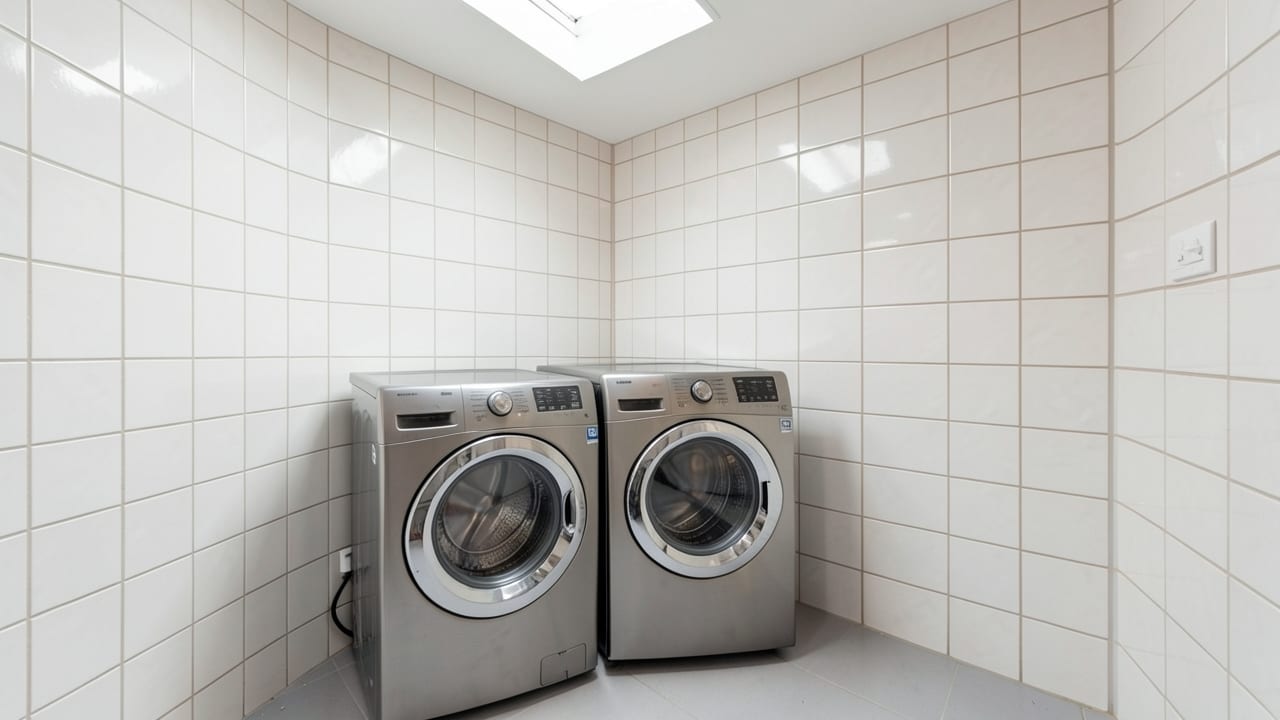
Laundry Room Mold Cleanup in Glen Mills, PA
Professional mold removal and remediation in laundry rooms to restore a safe, clean space.
Learn More
Plaster Mold Remediation in Glen Mills, PA
Professional removal and treatment of mold from plaster surfaces in homes.
Learn More
Ceiling Mold Removal in Glen Mills, PA
Professional removal of mold growth from ceilings, including containment and cleanup.
Learn MoreCommon Questions About Mold Remediation in Glen Mills
Everything you need to know about mold remediation services in Glen Mills
How much does Drywall Mold Remediation typically cost in Glen Mills, PA?
Why does Glen Mills, PA's humidity make mold a bigger risk than in drier regions?
Does homeowners insurance typically cover mold remediation?
Is black mold actually more dangerous than other mold types?
How long does a typical mold remediation job take?
Is it safe to stay in the home during mold remediation?
Need Mold Remediation in Glen Mills?
Connect with local providers in Glen Mills for a detailed quote.
⏰ We answer your call • Serving all of Glen Mills and surrounding areas