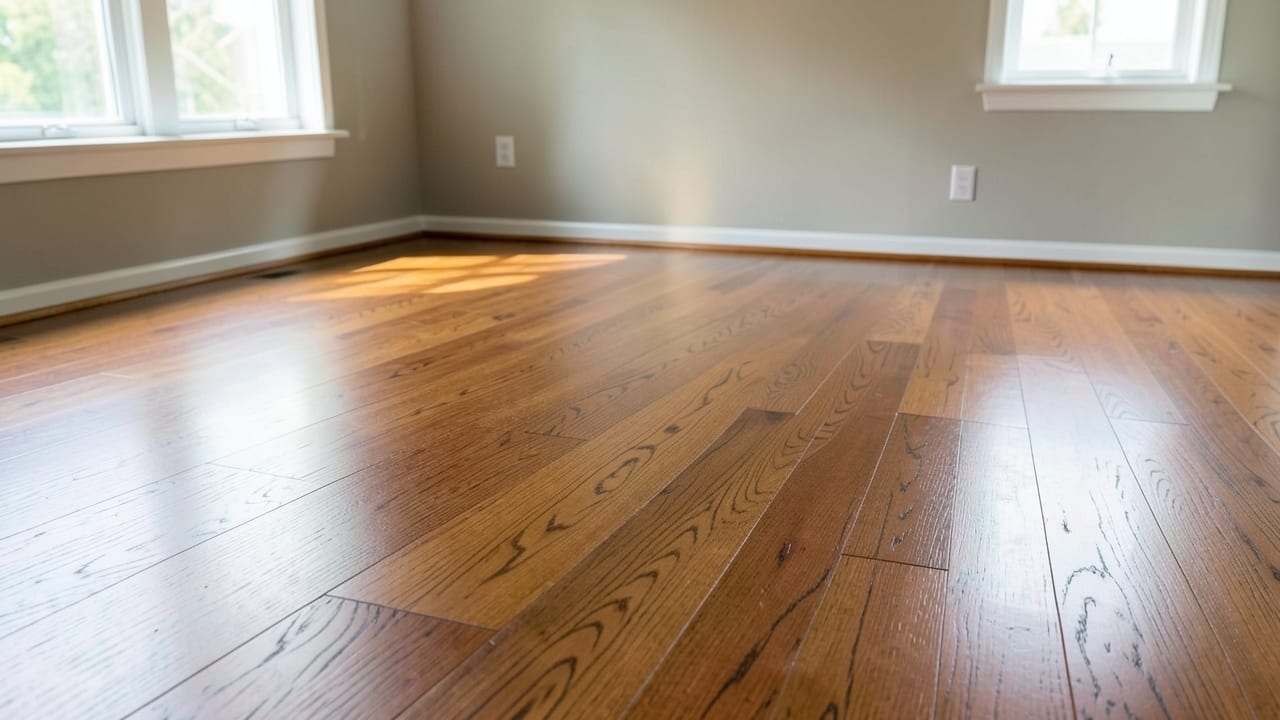
Flood Damage Mold Remediation
Professional mold removal and remediation after flood damage in homes.
Flood damage in Glen Mills, PA, often leads to hidden mold growth in walls, basements, and under floors. Flood damage mold remediation involves safely removing contaminated materials, treating affected areas, and preventing regrowth through containment, air filtration, and moisture control.
Properly addressing flood-related mold helps protect your home and health over the long term.
We also handle Retail Store Mold Remediation and Clinic Mold Remediation for Glen Mills properties.
When flood damage mold needs professional remediation
Flood damage can leave mold growing in places you can’t see, such as inside walls, under flooring, or within HVAC systems. If mold covers more than a small, isolated patch (typically over 25 square feet), keeps returning after cleaning, or spreads through your home’s air, professional remediation is needed.
Musty odors that worsen when the HVAC runs or persist in damp spaces like basements or windowless rooms are also red flags.
DIY methods often fail because they don’t address hidden moisture sources or contain spores during removal. Without proper containment, spores can spread to unaffected areas, turning a small job into a larger problem. Professional remediation uses sealed work zones, HEPA filtration, and moisture control to minimize regrowth and limit contamination.
Signs You Need Professional Flood Damage Mold Remediation
- Mold covers more than 25 square feet in one area (a common threshold for professional work).
- The mold keeps returning after cleaning, even in the same spot.
- You notice a musty smell with no visible mold, especially when HVAC runs or in damp spaces.
- Mold appears in multiple rooms or hidden areas (walls, ceilings, under floors).
- You experience health symptoms (coughing, sneezing, skin irritation) that improve when away from home.
What affects cost and timeline for flood damage mold remediation
The cost and time for flood damage mold remediation depend on the size of the affected area, the type of materials involved, and the extent of hidden contamination. Removing porous materials like drywall or insulation is more involved than treating non-porous surfaces like tile or framing.
Additional factors include whether black mold is present, the need for structural drying, and whether moisture sources (like leaks or poor grading) must be fixed separately.
Containment, HEPA air scrubbing, and clearance testing are standard steps that add to the timeline but ensure the job is done thoroughly. Skipping these can lead to incomplete removal and faster regrowth. Always confirm whether a quote includes inspection, testing, and clearance verification—these steps are critical for long-term results.
What to ask before hiring a mold remediation service
Not all remediation services follow the same standards, which is why asking the right questions upfront helps you compare bids accurately. Key details like containment methods, clearance testing, and whether the moisture source will be addressed can make a big difference in whether the problem returns.
Always request a written scope of work before any work begins to avoid surprises later.
Avoid services that rush you into signing a contract, don’t provide itemized pricing, or skip critical steps like independent testing. A legitimate remediation job takes time to plan and execute properly—trust your instincts if something feels off.
| Question to Ask | Why It Matters |
|---|---|
| Does the estimate include inspection, testing, remediation, and clearance testing? | Containment and testing are often priced separately—low bids that exclude them may leave the job incomplete. |
| Is a written scope of work provided before any work starts? | A written scope protects against unexpected costs or work left undone. |
| Will a third-party lab test verify clearance after remediation? | Independent testing confirms the job is truly finished, not just visually. |
| What happens if hidden mold is found during demolition? | Change-order pricing after work begins is a common source of disputes—clarify upfront. |
How flood damage mold remediation works
Professional remediation follows a structured process to safely remove mold and prevent regrowth.
- 1Containment Setup
Plastic sheeting and negative-air machines seal off the work area to prevent spores from spreading to unaffected parts of your home during removal.
- 2Material Removal or Treatment
Porous materials (drywall, insulation, carpet padding) that absorb mold are cut out and bagged, while non-porous surfaces (framing, tile) are scrubbed and treated to kill remaining spores.
- 3HEPA Filtration and Cleanup
HEPA-filtered air scrubbers run continuously to capture airborne spores, and surfaces are vacuumed with HEPA-equipped tools to avoid recirculating contamination.
- 4Structural Drying
Industrial dehumidifiers and air movers dry framing and subfloors to safe moisture levels, as mold regrows on damp materials even after visible traces are removed.
- 5Clearance Testing
An independent lab tests air or surfaces post-remediation to confirm spore levels are back to normal before containment is removed.
Frequently asked questions
How do I know if my flood damage mold is serious enough to need professional help?
If mold covers more than 25 square feet, keeps returning after cleaning, or you notice musty odors with no visible growth, professional remediation is recommended. Hidden mold in walls or ductwork also requires expert attention to avoid spreading spores.
Will fixing the mold also fix the moisture problem that caused it?
Remediation removes existing mold, but fixing the moisture source (like a leak, poor grading, or humidity issues) is essential to prevent regrowth. Always ask if the service includes addressing the root cause.
How long does flood damage mold remediation typically take?
The timeline varies based on the size of the affected area and whether hidden contamination is found. Containment, drying, and testing can add days or weeks, but rushing these steps often leads to incomplete results.
Do I need to be home during the remediation process?
You may need to vacate the affected area during active containment and removal, especially if spores are being disturbed. Your remediation team will advise you on safety precautions and when it’s safe to return.
See Chester, PA for more, or explore the rest of our Glen Mills lineup side by side for our complete lineup.
Ready to get started?
Talk to a local mold remediation pro in Glen Mills — get a written quote.
Other Mold Remediation Services in Glen Mills
Retail Store Mold Remediation in Glen Mills, PA
Professional mold removal and remediation for retail stores to restore safe, clean environments.
Learn More
Clinic Mold Remediation in Glen Mills, PA
Professional mold removal and remediation to restore safe, healthy indoor spaces.
Learn More
New Construction Mold Remediation in Glen Mills, PA
Professional mold removal and prevention in newly built homes to ensure safe, clean living spaces.
Learn More
Hotel Mold Remediation in Glen Mills, PA
Professional removal and treatment of mold growth in hotel properties to restore safe, clean environments.
Learn More
Gym Mold Remediation in Glen Mills, PA
Professional removal and treatment of mold in gyms to restore safe, clean environments.
Learn More
Fire Smoke Mold Remediation in Glen Mills, PA
Professional cleanup and restoration of fire, smoke, and mold damage in homes.
Learn MoreCommon Questions About Mold Remediation in Glen Mills
Everything you need to know about mold remediation services in Glen Mills
How much does Flood Damage Mold Remediation typically cost in Glen Mills, PA?
Why does Glen Mills, PA's humidity make mold a bigger risk than in drier regions?
How does mold remediation actually prevent the problem from coming back?
Can mold growing inside HVAC ductwork spread to the rest of a home?
Does mold mean the same thing as mildew?
Does homeowners insurance typically cover mold remediation?
Need Mold Remediation in Glen Mills?
Connect with local providers in Glen Mills for a detailed quote.
⏰ We answer your call • Serving all of Glen Mills and surrounding areas