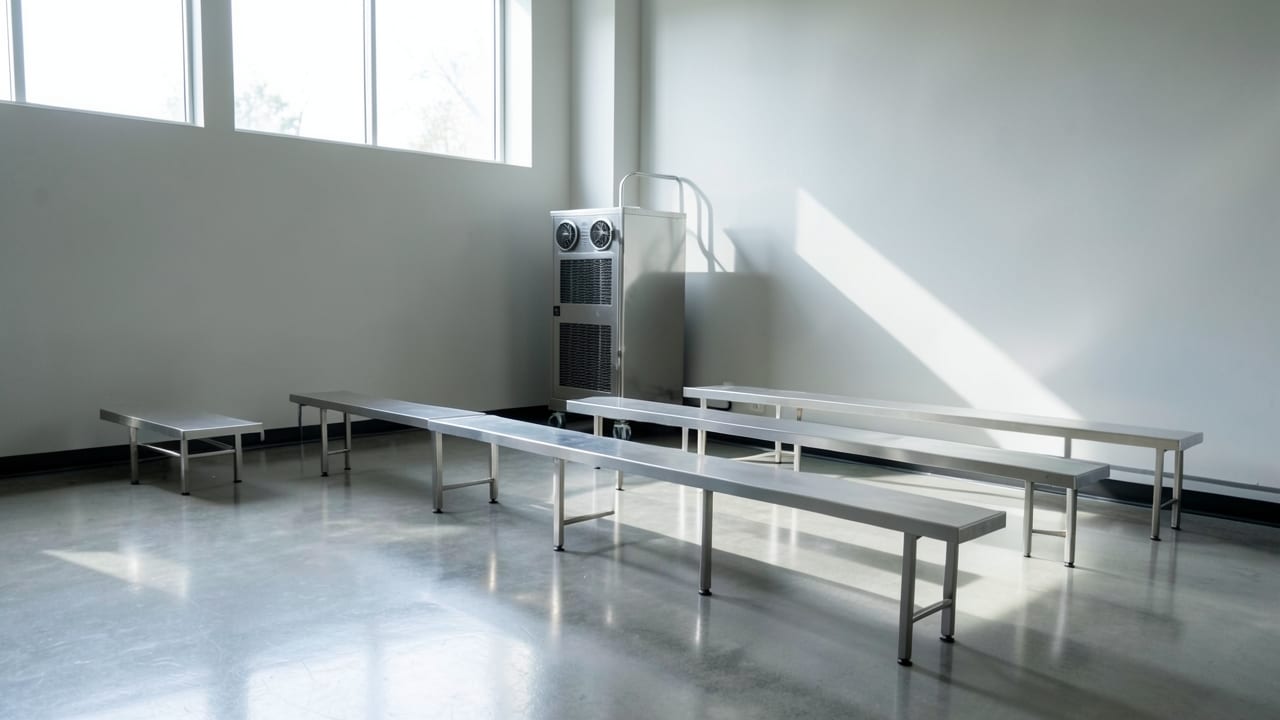
Gym Mold Remediation
Professional removal and treatment of mold in gyms to restore safe, clean environments.
Gym mold remediation in Glen Mills, PA, addresses hidden mold growth in fitness facilities, targeting moisture-prone areas like walls, ceilings, and equipment to prevent health risks and structural damage. Specialized containment and cleaning methods ensure thorough removal without spreading spores, restoring a safe environment for residents and their families.
When is mold remediation needed?
Mold in a home gym or fitness area often starts small but can quickly become a larger problem if ignored. Visible signs include dark spots larger than a few square inches, recurring growth after cleaning, or a musty odor with no visible source.
We also handle Pipe Leak Mold Removal and Retail Store Mold Remediation for Glen Mills properties.
These are clear indicators that the mold has likely spread beyond surface-level contamination and requires professional remediation.
Hidden mold—behind walls, under flooring, or inside ductwork—can also signal a deeper issue. If the smell worsens when the HVAC system runs or mold keeps reappearing in the same spot, moisture is likely still present.
Addressing the root cause, such as leaks or poor airflow, is essential to prevent regrowth after remediation.
Signs Mold Remediation Is Needed
- Mold covers more than a small, isolated patch (typically over 25 contiguous square feet).
- Growth returns in the same spot after cleaning, suggesting an unresolved moisture source.
- A musty smell persists with no visible mold, often indicating hidden growth in walls or ductwork.
- The odor strengthens when the HVAC system is on, pointing to contamination in air ducts.
What affects pricing and timing?
The cost of mold remediation depends on the size of the affected area, the type of materials involved, and the complexity of containment. Porous materials like drywall or carpet padding are often removed and replaced, while non-porous surfaces like tile or metal framing can be cleaned and treated.
The need for structural drying and clearance testing also influences the total cost.
Timing varies based on the extent of the contamination and whether hidden moisture sources require additional work. Containment, HEPA filtration, and drying processes are critical steps that ensure the job is done thoroughly, but they can extend the project duration.
Clearance testing, performed by an independent lab, confirms the work is complete before the area is released for use.
What to expect after remediation
After mold remediation, the affected area should be dry, free of visible growth, and tested for clearance. However, regrowth can occur if the moisture source isn’t addressed. Monitoring humidity levels in the space and ensuring proper airflow—such as with a small fan or dehumidifier—can help prevent recurrence.
Outside, grading and downspout placement should also be checked to avoid future moisture issues.
Clearance testing by an independent lab provides confirmation that spore levels are back to normal. Without this step, there’s no way to verify whether the remediation was fully effective. If mold returns, it’s often a sign that the original moisture problem wasn’t resolved.
Skipping containment or using non-HEPA equipment can spread spores to unaffected areas. Removing mold without fixing leaks or poor airflow often leads to regrowth within months.
How gym mold remediation works
This process ensures mold is safely removed without spreading spores to other areas of the home.
- 1Containment Setup
Plastic sheeting and negative-air machines seal the work area to prevent spores from escaping during removal.
- 2Material Removal or Cleaning
Porous materials like drywall are cut out and bagged, while non-porous surfaces are scrubbed and treated.
- 3HEPA Filtration and Drying
HEPA air scrubbers and vacuums capture spores, and industrial dehumidifiers dry framing and subfloors to normal moisture levels.
- 4Clearance Testing
An independent lab tests air or surfaces to confirm spore levels are back to normal before the area is released.
Frequently asked questions
How do I know if my gym mold problem is too big for DIY cleaning?
If mold covers more than 25 square feet or keeps returning after cleaning, professional remediation is recommended. Hidden growth or musty odors also signal a deeper issue that requires specialized equipment and containment.
Will mold remediation fix the problem permanently?
Remediation removes existing mold, but regrowth depends on fixing the moisture source. Without addressing leaks, poor airflow, or grading issues, mold can return within months.
Do I need to leave the house during mold remediation?
The work area is fully contained, but some disruption is typical. Non-affected rooms can usually remain in use, though HEPA filtration ensures spores don’t spread.
How long does the entire process take?
Timing varies by job size and complexity, but containment, removal, drying, and testing can take several days to a week or more for larger areas.
See Cheyney University, PA for more, or browse what we cover for Glen Mills properties at a glance for our complete lineup.
Ready to get started?
Talk to a local mold remediation pro in Glen Mills — get a written quote.
Other Mold Remediation Services in Glen Mills
Pipe Leak Mold Removal in Glen Mills, PA
Professional removal of mold caused by pipe leaks in homes.
Learn More
Retail Store Mold Remediation in Glen Mills, PA
Professional mold removal and remediation for retail stores to restore safe, clean environments.
Learn More
Clinic Mold Remediation in Glen Mills, PA
Professional mold removal and remediation to restore safe, healthy indoor spaces.
Learn More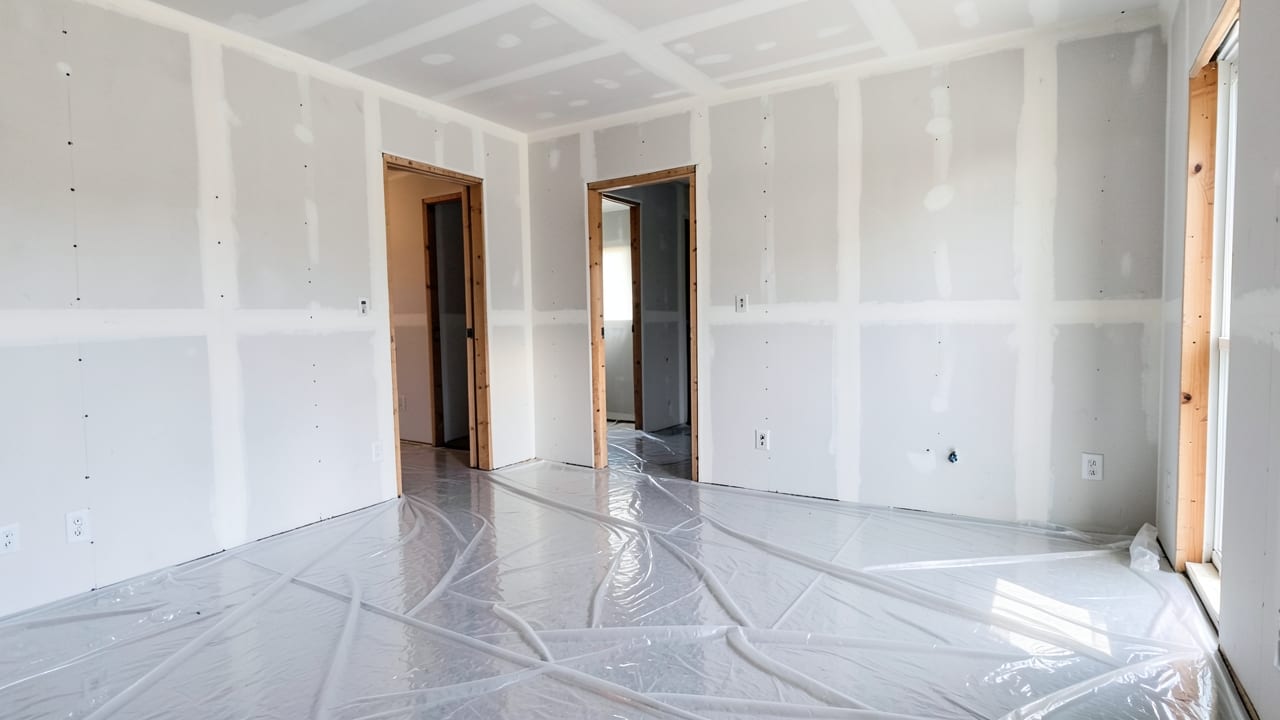
New Construction Mold Remediation in Glen Mills, PA
Professional mold removal and prevention in newly built homes to ensure safe, clean living spaces.
Learn More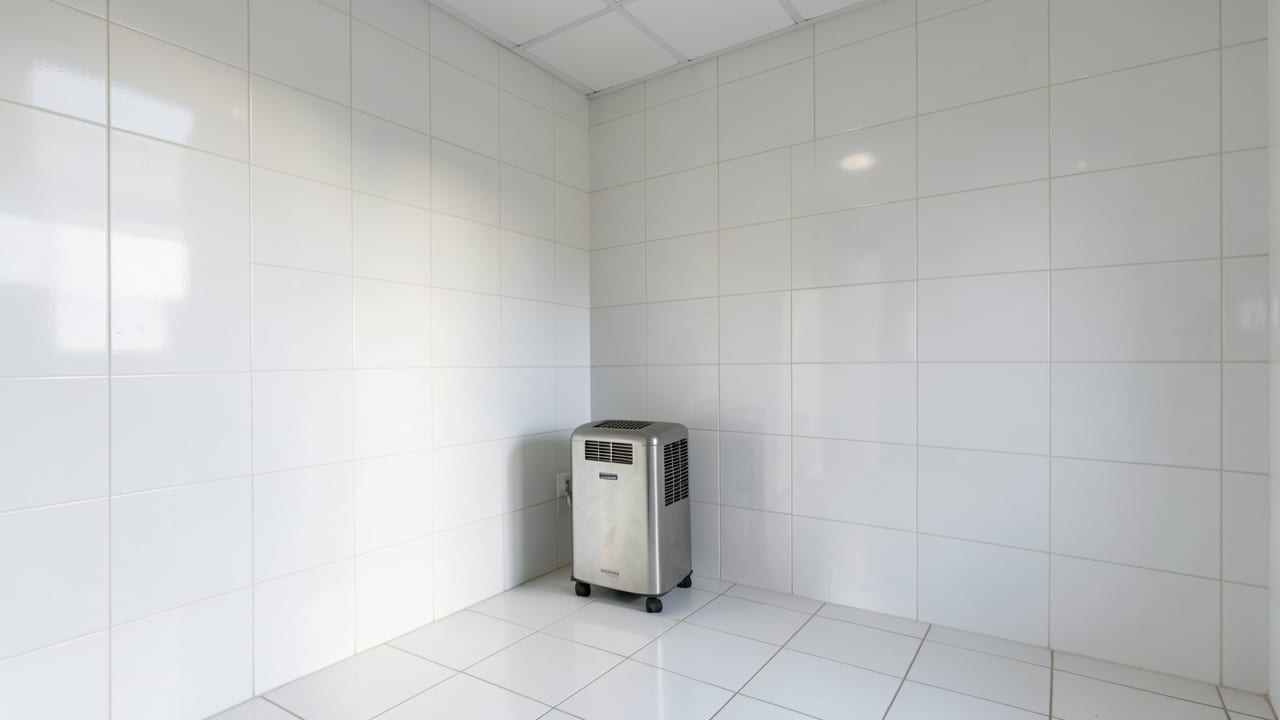
Hotel Mold Remediation in Glen Mills, PA
Professional removal and treatment of mold growth in hotel properties to restore safe, clean environments.
Learn More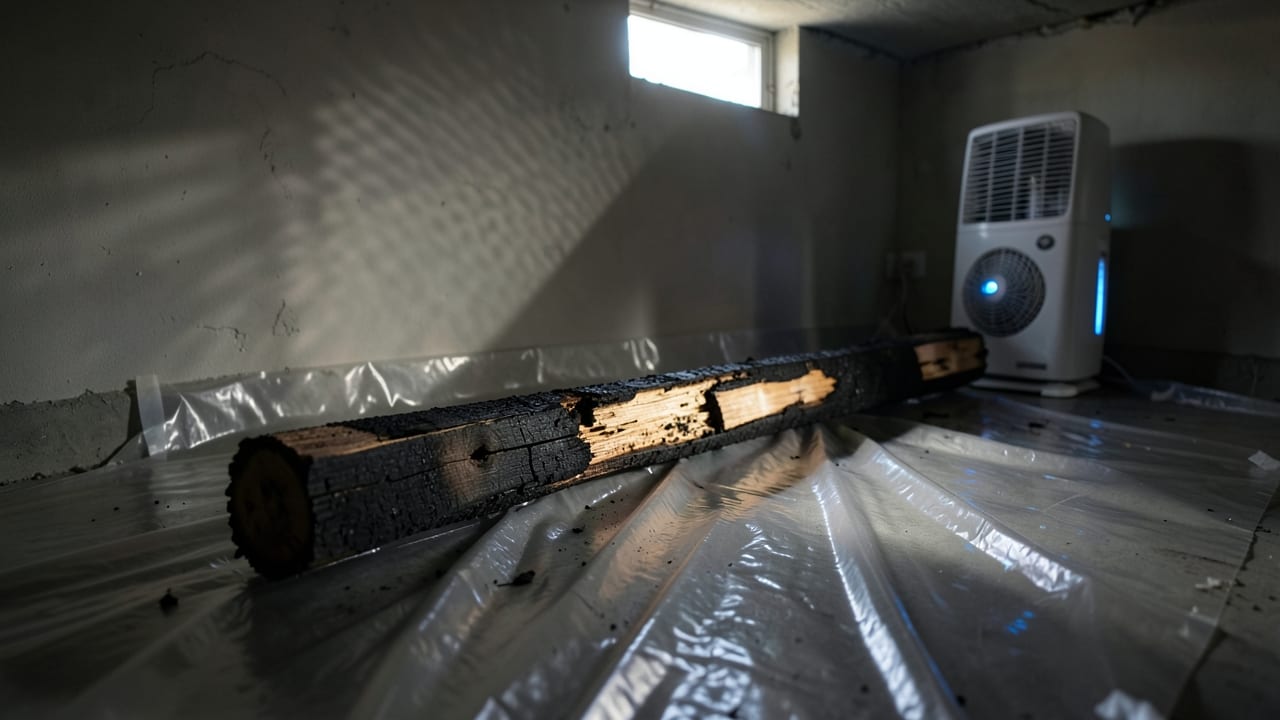
Fire Smoke Mold Remediation in Glen Mills, PA
Professional cleanup and restoration of fire, smoke, and mold damage in homes.
Learn MoreCommon Questions About Mold Remediation in Glen Mills
Everything you need to know about mold remediation services in Glen Mills
How much does Gym Mold Remediation typically cost in Glen Mills, PA?
Why does Glen Mills, PA's humidity make mold a bigger risk than in drier regions?
Is a final clearance test part of a typical mold remediation job?
How does mold remediation actually prevent the problem from coming back?
Can mold growing inside HVAC ductwork spread to the rest of a home?
Does mold mean the same thing as mildew?
Need Mold Remediation in Glen Mills?
Connect with local providers in Glen Mills for a detailed quote.
⏰ We answer your call • Serving all of Glen Mills and surrounding areas