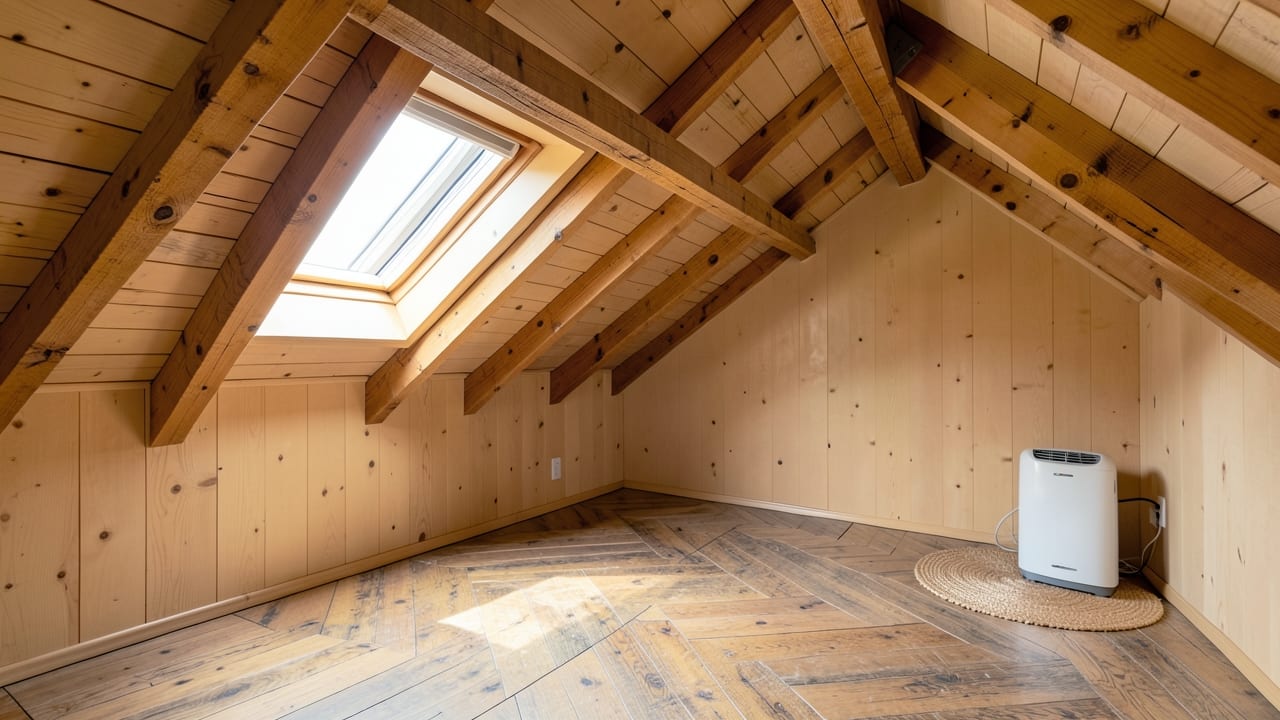
Salt Air Mold Remediation
Professional mold assessment, containment, removal, and prevention in affected areas of the home.
Salt Air Mold Remediation in Glen Mills, PA, specializes in addressing fungal growth caused by moisture, a common issue in homes with hidden dampness or poor airflow.
Using a controlled, multi-step process, they contain spores, remove contaminated materials, and dry affected structures to prevent regrowth—helping restore indoor air quality in your home.
We also handle Attic Mold Remediation and Commercial Mold Remediation for Glen Mills properties.
When mold remediation is needed
Mold growth beyond a small patch—especially if it keeps returning—often signals a deeper moisture issue. In Glen Mills, homes with persistent dampness in closets, basements, or windowless rooms may need professional remediation.
A musty smell with no visible mold or growth that spreads after cleaning are key signs the problem is hidden or recurring.
Hidden mold, such as behind walls or under flooring, requires professional tools like HEPA vacuums and air scrubbers to safely remove spores. Without proper containment, spores can spread to unaffected areas, turning a small job into a larger one.
A licensed contractor ensures the moisture source is addressed to prevent future growth.
Signs You May Need Mold Remediation
- Mold covers more than a small, isolated patch (over 25 sq. ft. of contiguous growth).
- Growth returns in the same spot after cleaning, suggesting the moisture source wasn’t fixed.
- A musty smell persists with no visible mold, indicating hidden growth in walls, ducts, or under flooring.
- HVAC system odor worsens when turned on, suggesting mold in ductwork spreading through the home.
What affects cost and scope
The size of the affected area and the type of mold determine the complexity of the job. Black mold (Stachybotrys) often requires more extensive treatment than other species. Hidden mold behind walls or under flooring adds labor and containment time, increasing the total cost.
Proper containment, HEPA filtration, and clearance testing are standard steps that ensure the job is done thoroughly. Skipping these can lead to incomplete removal and higher long-term costs if spores spread or regrow.
What to watch for in a quote
A thorough mold remediation quote should include inspection, containment, removal, drying, and clearance testing. Vague estimates or bids that exclude key steps may leave hidden issues unresolved. Always ask for a written scope of work to avoid unexpected costs later.
Red flags include pressure to sign during the inspection visit, upfront full payment requests, or quotes that don’t specify square footage or testing. Comparing multiple bids with clear breakdowns helps ensure you’re getting a fair and complete job.
| Red Flag | Why It’s a Concern |
|---|---|
| Low bid without containment or clearance testing | May not fully resolve the issue, leading to regrowth. |
| No written scope of work provided | Lack of clarity on what’s included can result in hidden costs. |
| Pressure to sign during the inspection | Legitimate scopes take time to prepare; rushing may skip important details. |
| Full payment requested before work starts | Removes leverage if the job isn’t completed as agreed. |
How salt air mold remediation works
This process ensures safe, thorough removal of mold and prevents spores from spreading to unaffected areas.
- 1Containment Setup
Plastic sheeting and negative-air machines seal the work area to trap spores. This prevents them from drifting into hallways or HVAC systems during removal.
- 2Material Removal or Cleaning
Porous materials like drywall or carpet padding, which absorb mold, are cut out and bagged. Non-porous surfaces like tile or framing are scrubbed and treated instead of discarded.
- 3HEPA Filtration and Drying
HEPA air scrubbers run continuously to capture airborne spores, and surfaces are vacuumed with HEPA-filtered equipment. Industrial dehumidifiers dry framing and subfloors to normal moisture levels.
- 4Clearance Testing
An independent lab tests air or surfaces after removal to confirm spore counts are back to normal before containment is removed.
Frequently asked questions
How do I know if my mold problem is too big for DIY cleaning?
If mold covers more than 25 square feet or keeps returning after cleaning, it’s likely beyond DIY scope. Hidden growth behind walls or in ductwork also requires professional tools like HEPA vacuums and containment.
Will remediation fix the musty smell if I can’t see any mold?
A musty smell often means hidden mold in walls, ducts, or under flooring. Remediation addresses these areas, but fixing the moisture source—like leaks or poor airflow—helps prevent the smell from returning.
How long does the entire process take from start to finish?
Timing varies by job size and complexity, but containment, removal, drying, and testing typically take 2–5 days. Clearance testing may add an extra day or two for lab results.
Do I need to be home during the remediation process?
You can return to unaffected areas of your home during work, but the remediation team will seal off the treated space. Avoid entering the contained area until testing confirms it’s safe.
See Woodlyn, PA for more, or take a look at everything on offer in Glen Mills for our complete lineup.
Ready to get started?
Talk to a local mold remediation pro in Glen Mills — get a written quote.
Other Mold Remediation Services in Glen Mills
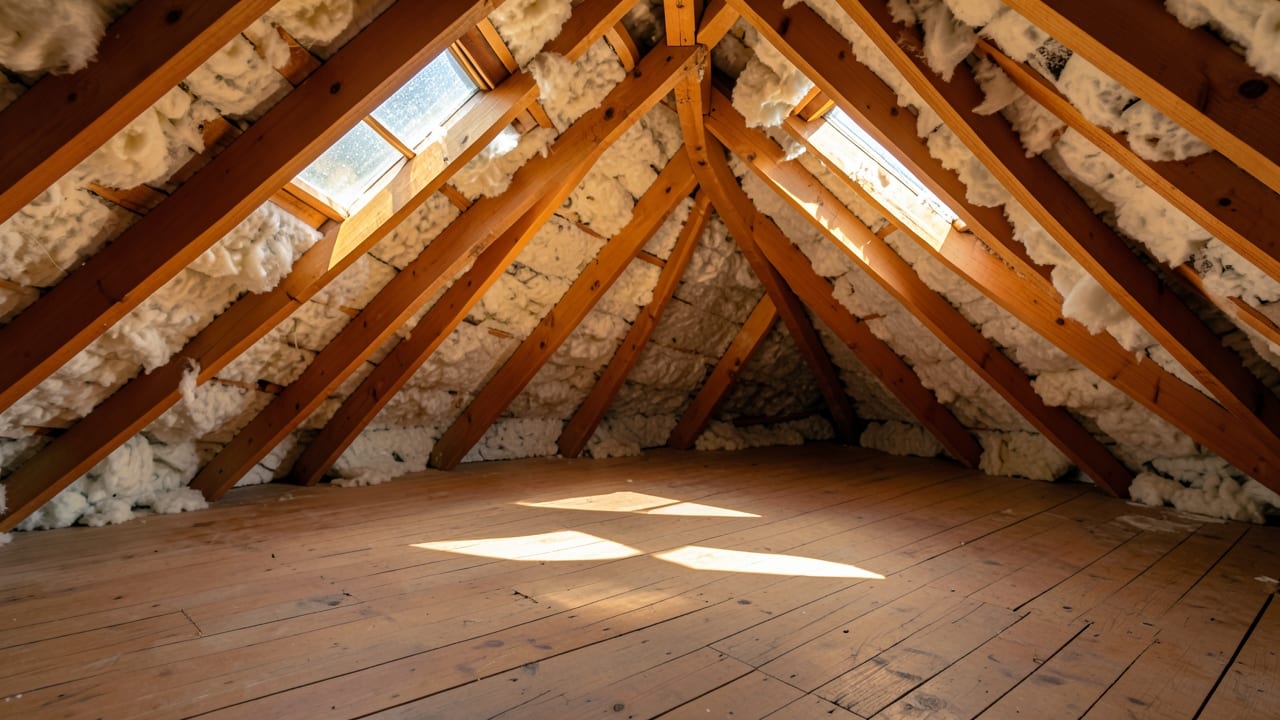
Attic Mold Remediation in Glen Mills, PA
Attic mold remediation in Glen Mills, PA addresses roof-deck growth typically caused by poor ventilation or a hidden roof leak.
Learn More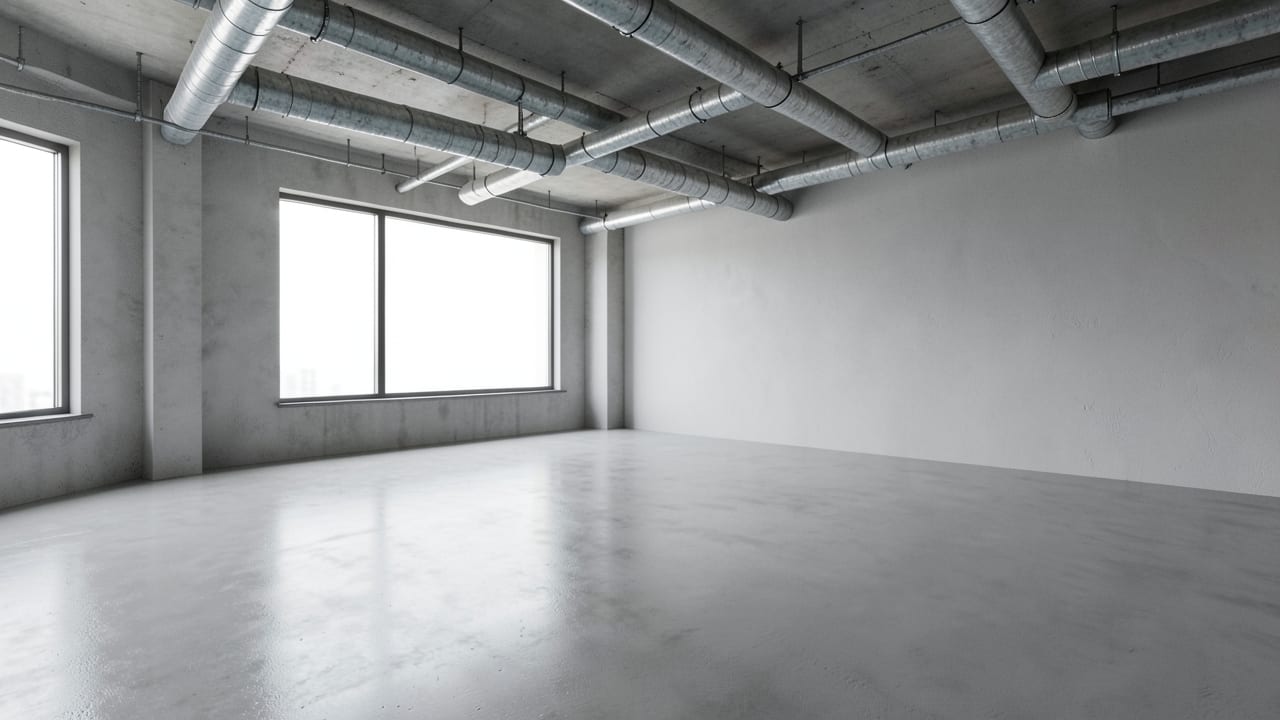
Commercial Mold Remediation in Glen Mills, PA
Commercial mold inspection and remediation in Glen Mills, PA for offices, retail space, and multi-unit properties, scheduled around business operations.
Learn More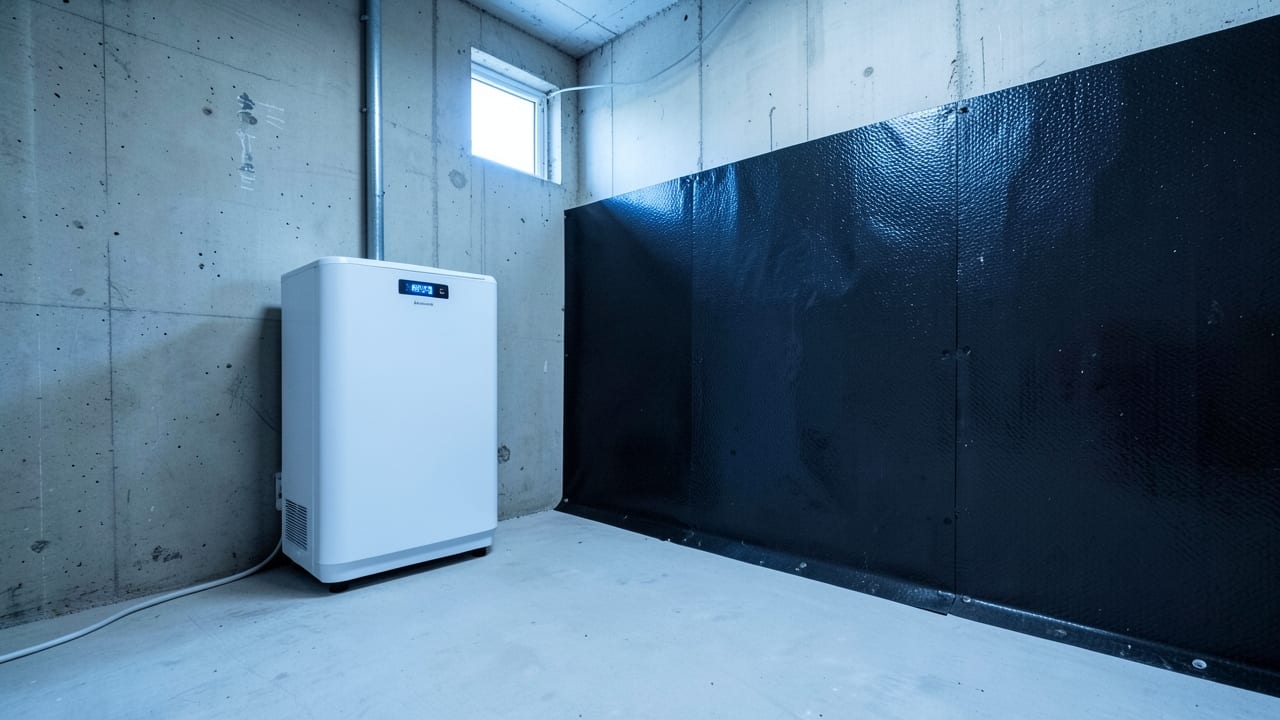
Mold Prevention & Moisture Control in Glen Mills, PA
Mold prevention and moisture control in Glen Mills, PA — addressing ventilation, humidity, and drainage before growth starts, not after.
Learn More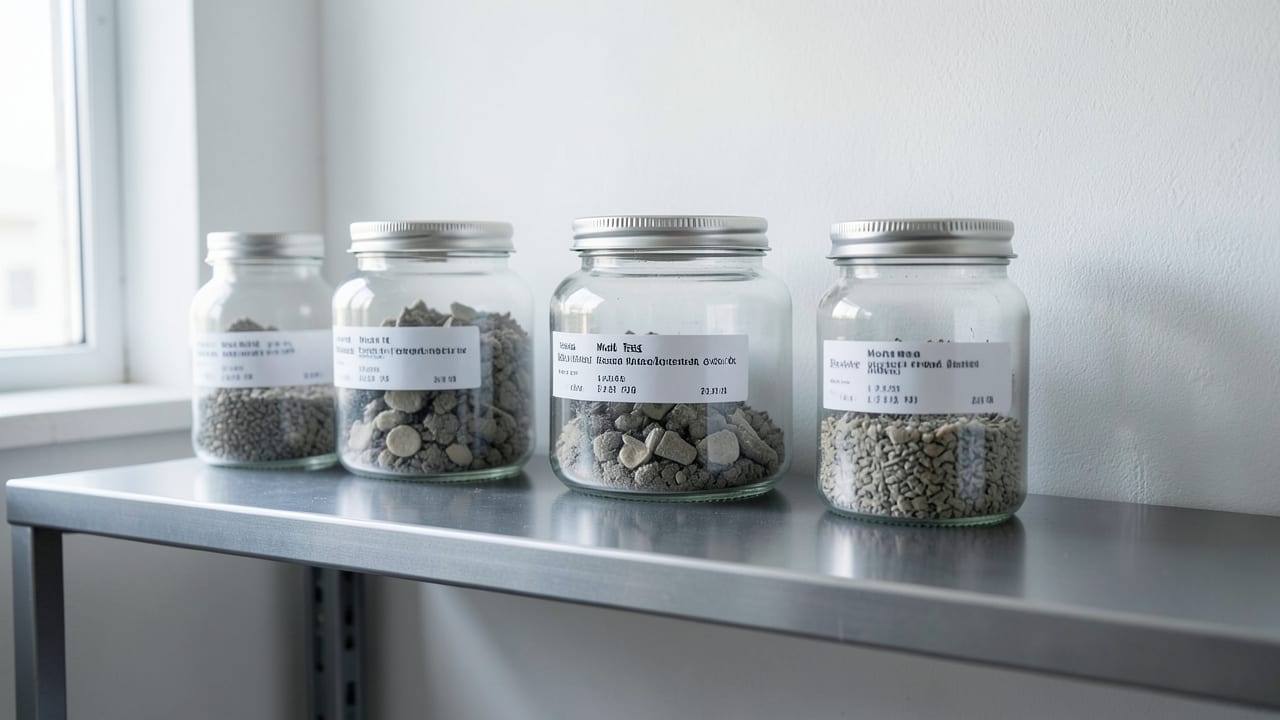
Mold & Asbestos Testing in Glen Mills, PA
Combined mold and asbestos testing in Glen Mills, PA — one inspection visit, lab-verified results for both.
Learn More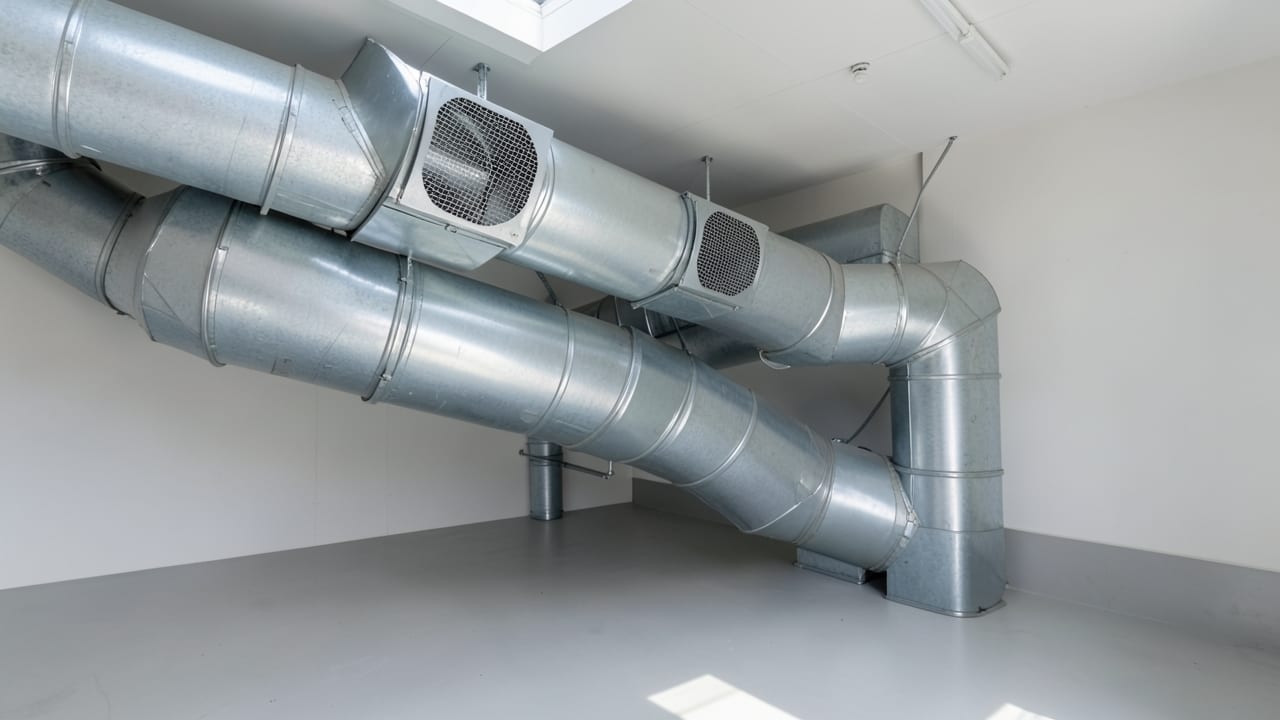
HVAC Mold Remediation in Glen Mills, PA
HVAC and ductwork mold remediation in Glen Mills, PA — mold growing inside the air handler or duct system, spreading through every vent.
Learn More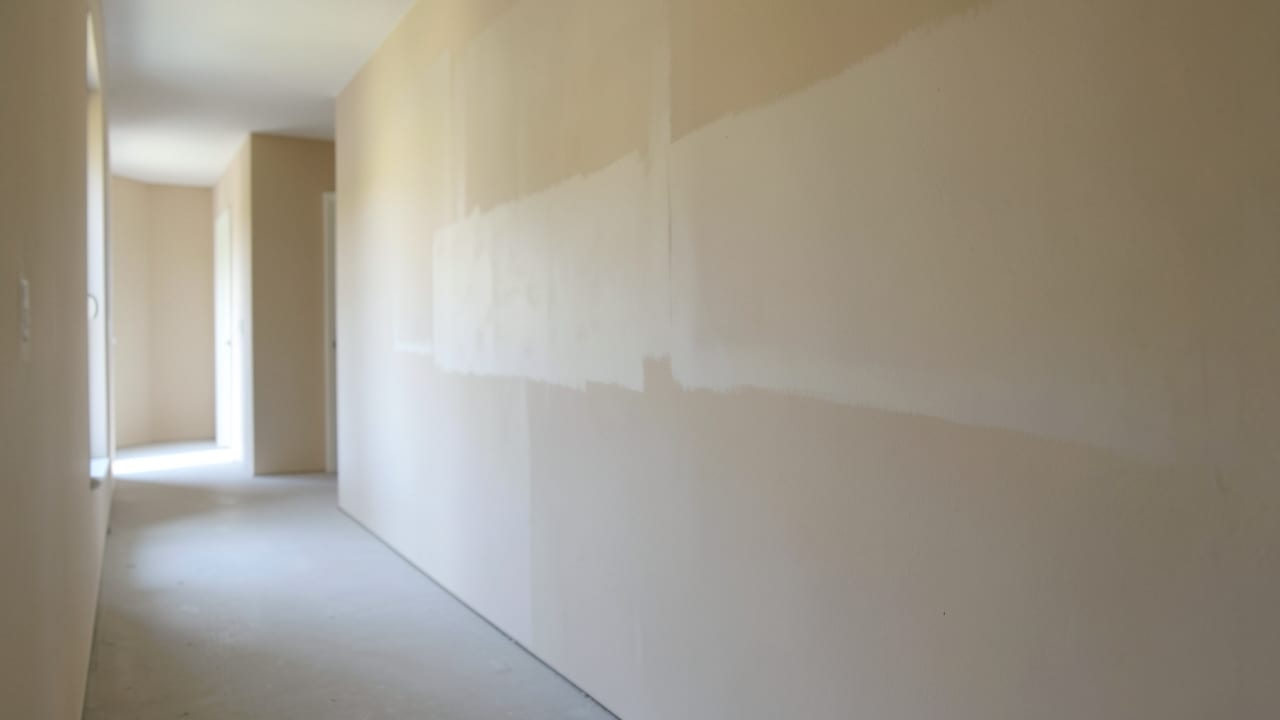
Drywall Mold Remediation in Glen Mills, PA
Professional removal and treatment of mold growth behind or on drywall surfaces.
Learn MoreCommon Questions About Mold Remediation in Glen Mills
Everything you need to know about mold remediation services in Glen Mills
How much does Salt Air Mold Remediation typically cost in Glen Mills, PA?
Why does Glen Mills, PA's humidity make mold a bigger risk than in drier regions?
How long does a typical mold remediation job take?
Is it safe to stay in the home during mold remediation?
Can small mold problems be handled without hiring anyone?
What's the actual difference between mold removal and mold remediation?
Need Mold Remediation in Glen Mills?
Connect with local providers in Glen Mills for a detailed quote.
⏰ We answer your call • Serving all of Glen Mills and surrounding areas