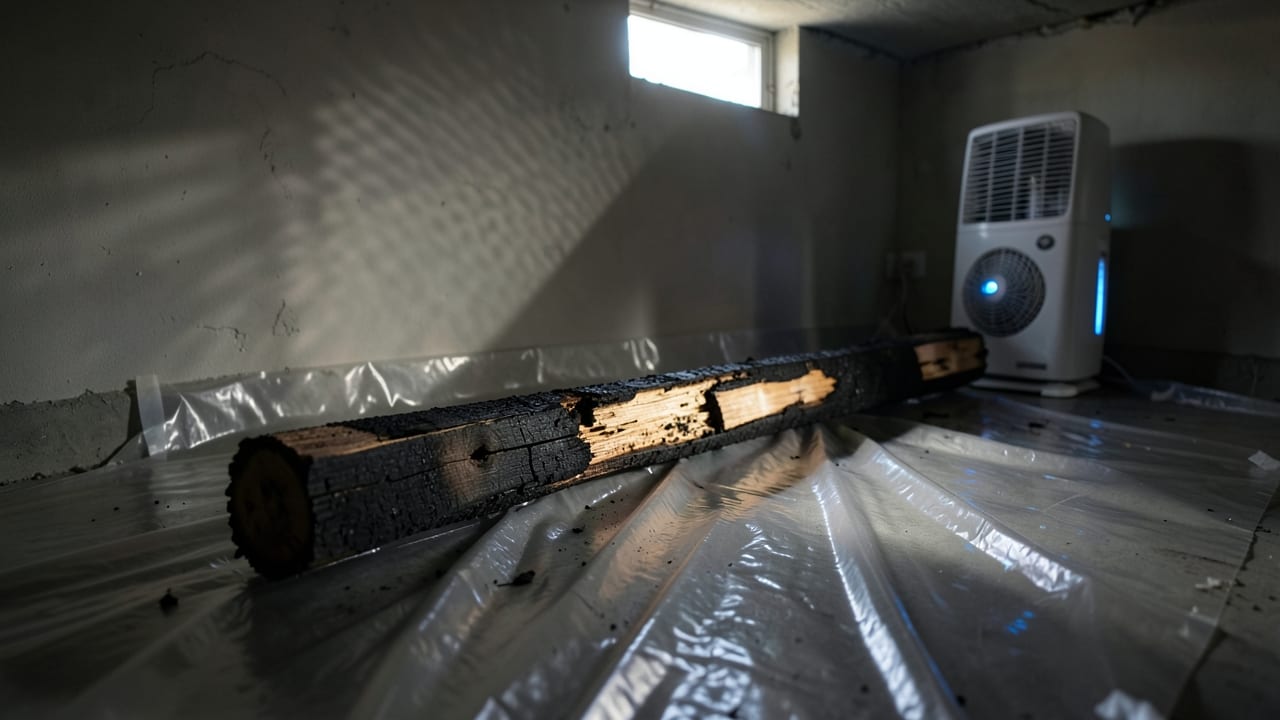
Fire Smoke Mold Remediation
Professional cleanup and restoration of fire, smoke, and mold damage in homes.
Fire, smoke, and mold damage in Glen Mills, PA homes require specialized remediation to restore safety and air quality. Whether from a fire, water leak, or lingering moisture, these issues demand professional containment, removal, and drying to prevent regrowth and further contamination.
Proper cleanup follows strict protocols to protect your home and health—without cutting corners that could worsen the problem.
We also handle Spring Mold Inspection and Move-In Mold Assessment for Glen Mills properties.
When to call for remediation
Mold growth, smoke damage, or fire residue often signal deeper issues that aren’t solved with basic cleaning. In Glen Mills homes, signs like persistent musty odors, visible mold covering more than a small patch, or recurring dampness in the same spot indicate a need for professional intervention.
These problems rarely resolve on their own and can worsen if moisture sources—like leaks or poor ventilation—aren’t addressed.
Hidden mold, such as behind walls or inside ductwork, spreads unseen until it becomes widespread. If cleaning attempts fail or the problem keeps returning, it’s time to involve experts who can contain the issue, remove affected materials, and fix the root cause.
Ignoring these signs risks structural damage, poor air quality, and higher costs down the line.
Signs You Need Professional Remediation
- Mold covering more than 25 contiguous square feet (a common threshold for professional work).
- Visible mold that returns within weeks after cleaning (a sign the moisture source wasn’t fixed).
- A musty smell with no visible mold—often indicates hidden growth in walls, under floors, or in ductwork.
- Smoke damage with lingering odors after surface cleaning, or soot embedded in porous materials like carpet or drywall.
- Water damage from firefighting efforts or leaks that hasn’t fully dried, creating conditions for mold.
What affects cost and timeline?
The scope of fire, smoke, and mold remediation in Glen Mills homes varies based on the extent of damage, materials affected, and whether hidden growth exists. Pricing depends on factors like square footage, containment needs, and whether structural drying or clearance testing is required.
Unlike surface cleaning, proper remediation often involves removing porous materials (like drywall or insulation) that can’t be fully sanitized.
Timelines stretch when moisture sources aren’t immediately obvious, requiring inspections or demolition to locate them. Containment, HEPA filtration, and drying add time but are critical to preventing spores from spreading. Skipping these steps can turn a contained job into a larger, more expensive problem later.
What to watch for in a remediation job
Not all remediation work follows the same standards, and cutting corners can leave your home unsafe. For example, using non-HEPA vacuums or air scrubbers recirculates spores instead of capturing them, while skipping containment lets mold spread to unaffected areas.
Clearance testing—done by an independent party—confirms the job is complete, but some companies omit it to save time or money.
A written scope of work, itemized pricing, and a focus on fixing moisture sources (not just visible mold) are red flags if they’re missing. Pressure to sign contracts during the inspection or demands for full upfront payment are also warning signs of an unreliable provider.
In Pennsylvania, mold remediation isn’t separately licensed, but contractors must register under HICPA if they earn over $5,000 annually from home improvement work.
Avoid providers who: skip containment or clearance testing, offer dramatically lower bids than competitors for the same square footage, or rush you to sign a contract during the inspection. These tactics often mean corners are cut, leading to incomplete results.
How fire, smoke, and mold remediation works
Professional remediation follows a structured process to safely remove contaminants and restore your home.
- 1Containment
Plastic sheeting and negative-air machines seal off the affected area to prevent spores or soot from spreading to other rooms during cleanup.
- 2Removal
Porous materials like drywall or carpet padding, which absorb mold, are cut out and disposed of in sealed bags. Non-porous surfaces (e.g., tile, metal) are scrubbed and treated to kill remaining contaminants.
- 3HEPA Filtration and Drying
HEPA air scrubbers run continuously to capture airborne spores, while industrial dehumidifiers and air movers dry structural materials to prevent regrowth.
- 4Clearance Testing
An independent lab tests air or surfaces post-remediation to confirm spore levels are back to normal before containment is removed.
- 5Moisture Source Fix
The root cause (leaks, poor ventilation, grading issues) is addressed to stop future mold or damage, though this step may require separate repairs.
Frequently asked questions
Can I clean up mold myself if it’s a small patch?
Small, isolated patches (under 25 square feet) can sometimes be cleaned with detergent and water, but only if the moisture source is fixed. If the mold keeps returning or you suspect hidden growth, professional remediation is safer to prevent spread and ensure proper drying.
How long does the remediation process take?
Timelines vary based on damage size, containment needs, and drying requirements. A single room may take 2–5 days, while larger or hidden issues (like mold in walls) can extend the process. Clearance testing adds another 1–3 days.
Will my home’s air quality improve after remediation?
Proper remediation with HEPA filtration and containment significantly reduces airborne spores, but lingering odors or hidden moisture may require additional treatments. Clearance testing confirms whether spore levels are back to normal.
Do I need to leave my home during the cleanup?
You may be asked to vacate temporarily, especially if containment is used or strong odors are present. The crew will provide guidance based on the scope of work and safety precautions.
See Rutledge, PA for more, or explore our full Glen Mills-area coverage from start to finish for our complete lineup.
Ready to get started?
Talk to a local mold remediation pro in Glen Mills — get a written quote.
Other Mold Remediation Services in Glen Mills
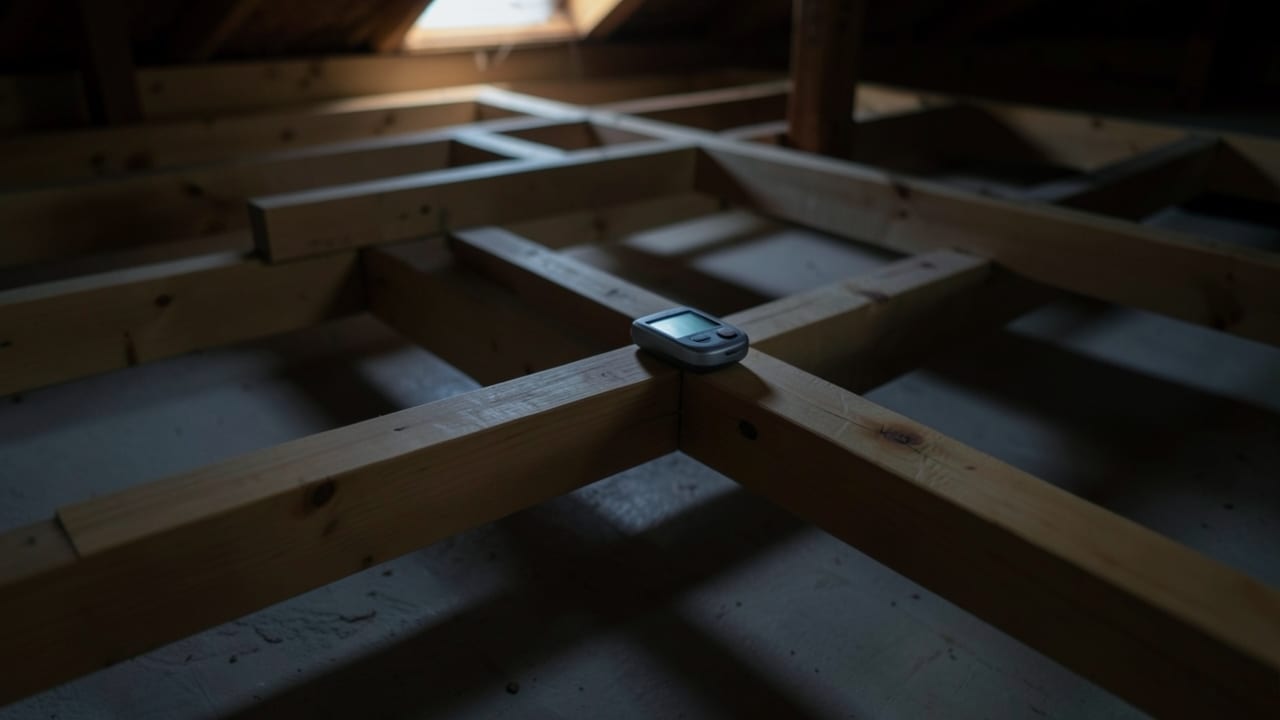
Spring Mold Inspection in Glen Mills, PA
Professional assessment and identification of mold growth in homes.
Learn More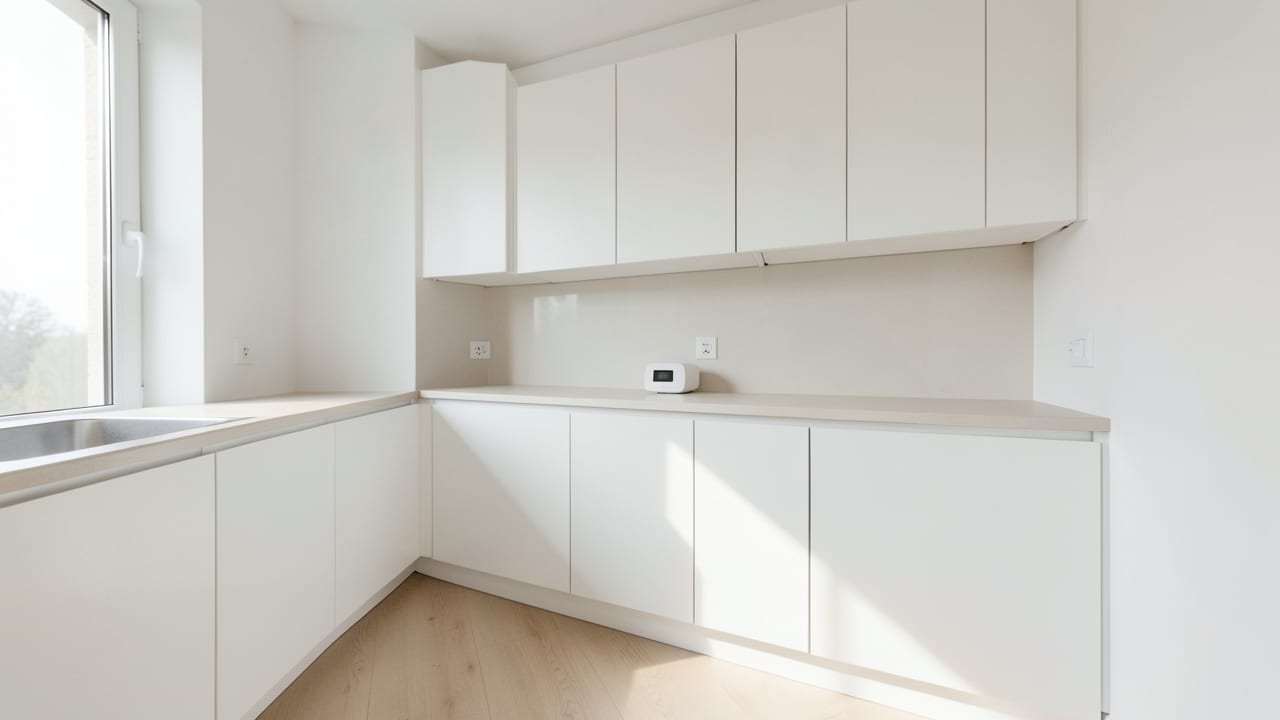
Move-In Mold Assessment in Glen Mills, PA
Professional inspection and assessment of mold presence before moving into a property.
Learn More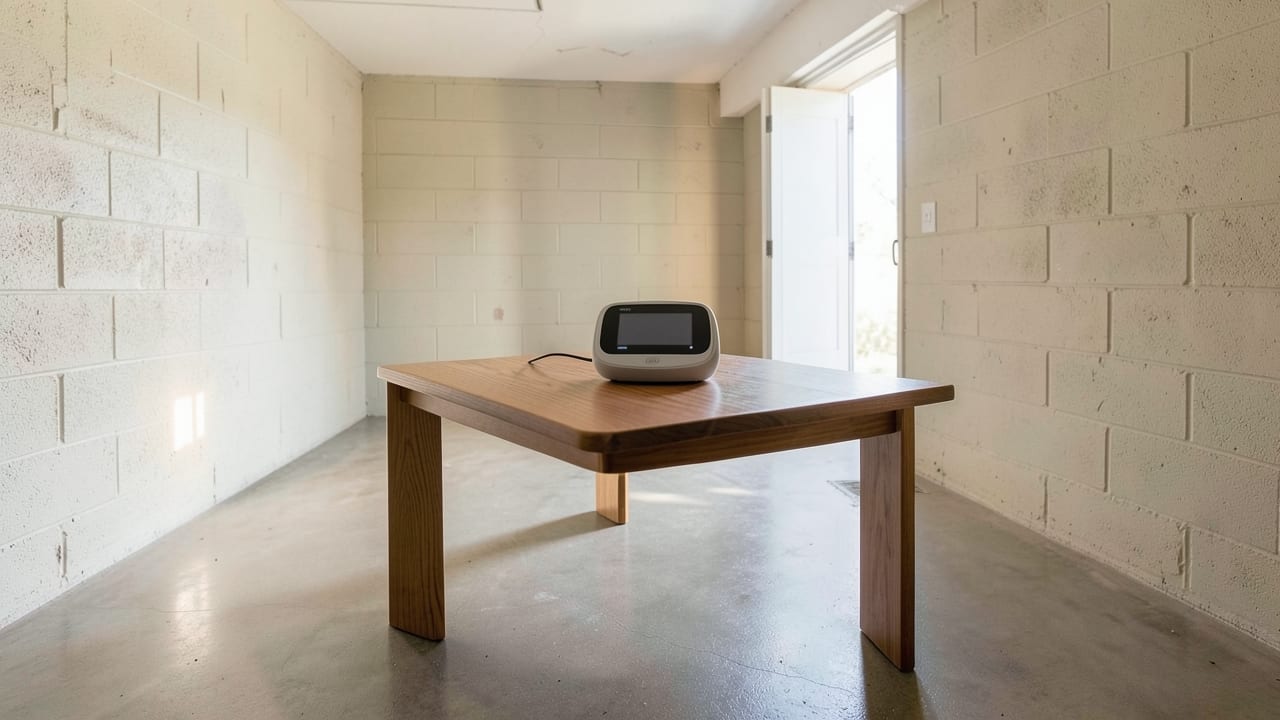
Pre-Sale Mold Clearance in Glen Mills, PA
Pre-sale mold clearance involves inspection and testing to confirm a property is mold-free before purchase.
Learn More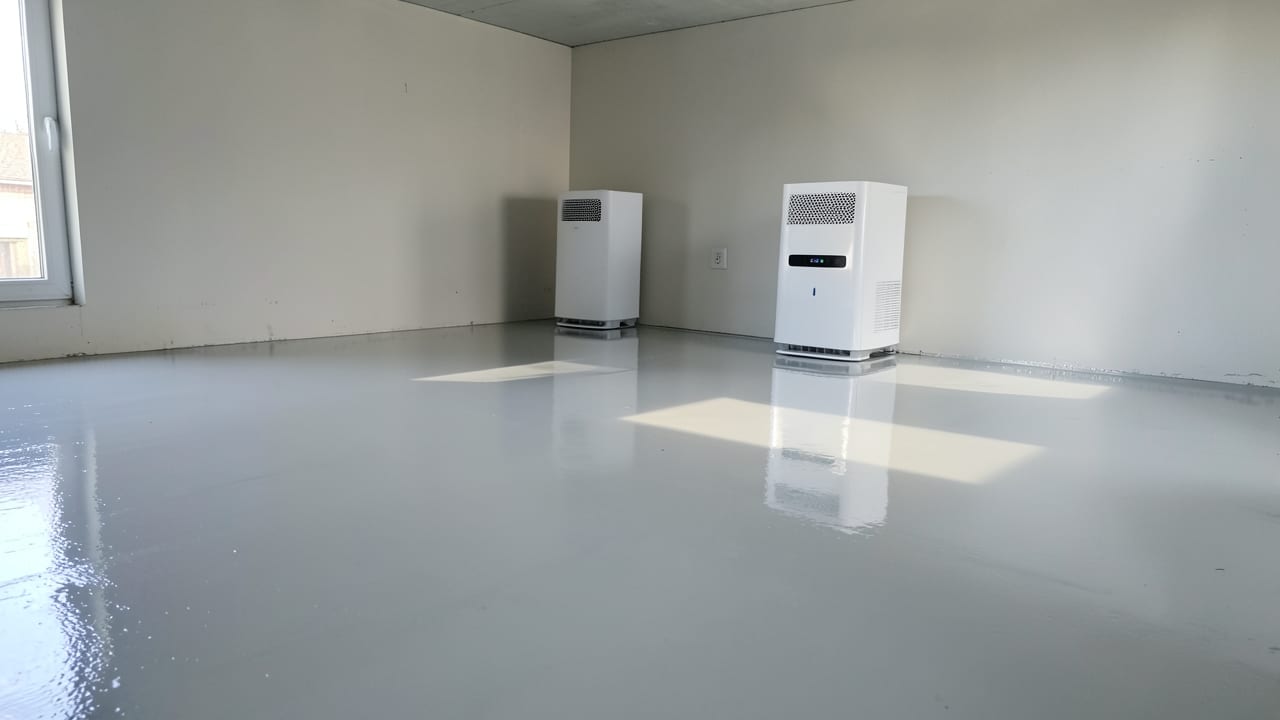
Post-Remediation Sealing in Glen Mills, PA
Applying protective sealants to surfaces after mold remediation to prevent future growth.
Learn More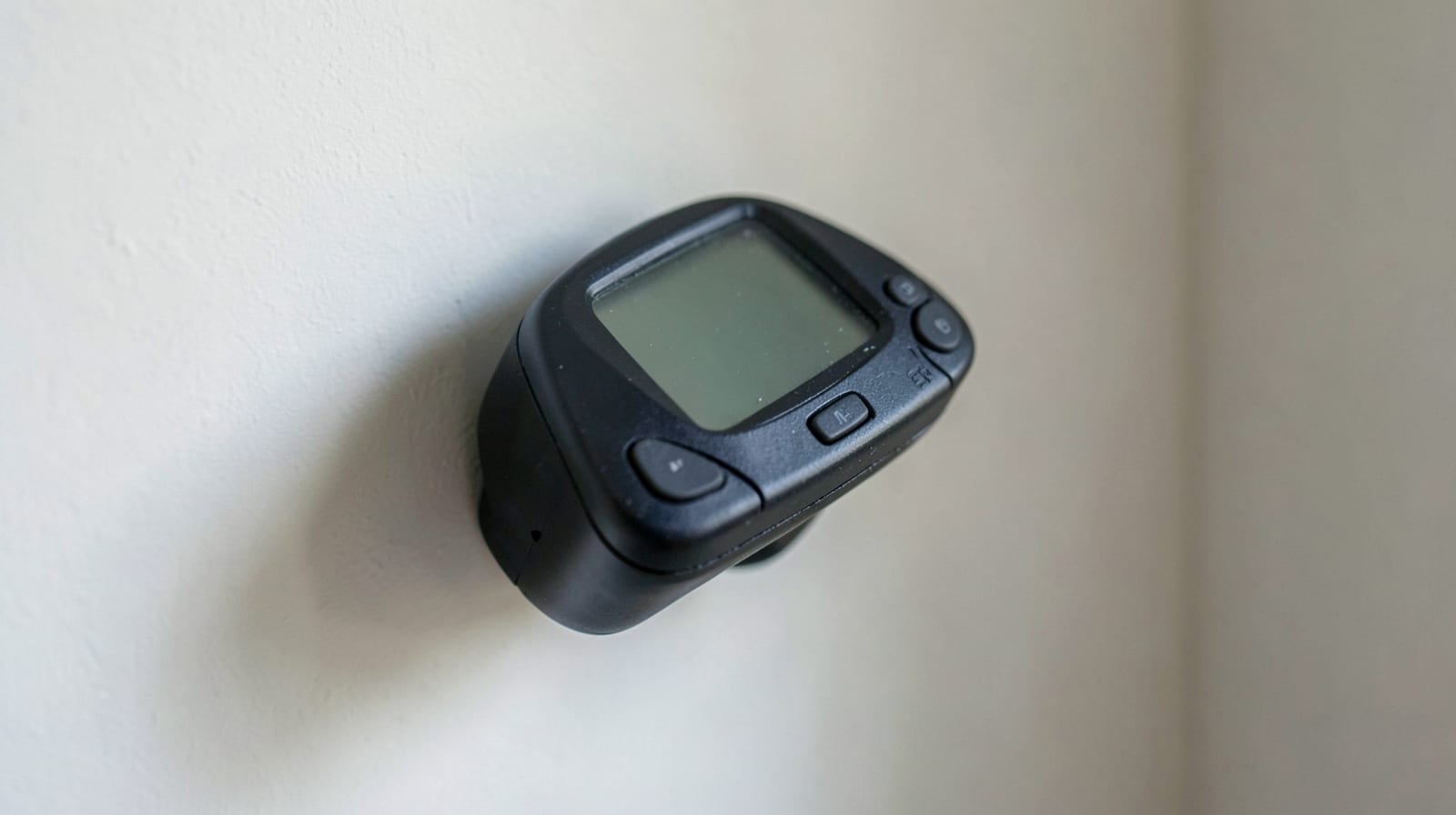
Mold Inspection in Glen Mills, PA
Mold inspection in Glen Mills, PA — a visual and moisture-meter assessment that finds the source of growth, not just the visible spot on the wall.
Learn More
Mold Testing & Air Quality Testing in Glen Mills, PA
Mold and indoor air quality testing in Glen Mills, PA — lab-analyzed air and surface samples confirm what's actually growing and whether it's airborne.
Learn MoreCommon Questions About Mold Remediation in Glen Mills
Everything you need to know about mold remediation services in Glen Mills
How much does Fire Smoke Mold Remediation typically cost in Glen Mills, PA?
Why does Glen Mills, PA's humidity make mold a bigger risk than in drier regions?
Is black mold actually more dangerous than other mold types?
How long does a typical mold remediation job take?
Is it safe to stay in the home during mold remediation?
Can small mold problems be handled without hiring anyone?
Need Mold Remediation in Glen Mills?
Connect with local providers in Glen Mills for a detailed quote.
⏰ We answer your call • Serving all of Glen Mills and surrounding areas