Pipe Leak Mold Removal
Professional removal of mold caused by pipe leaks in homes.
Pipe leak mold removal in Glen Mills, PA, addresses hidden fungal growth caused by water damage behind walls, under floors, or in ceilings. The process involves sealing affected areas, removing contaminated materials, and fixing moisture sources to prevent regrowth. Proper containment and HEPA filtration ensure spores don’t spread during remediation.
When pipe leak mold needs professional removal
Hidden mold from pipe leaks often starts small but spreads quickly behind walls or under floors. By the time you notice signs like musty odors, recurring growth, or visible stains, the affected area may already exceed DIY-safe limits.
We also handle Ceiling Mold Removal and Window Sill Mold Cleanup for Glen Mills properties.
In Pennsylvania, mold covering more than 25 contiguous square feet typically requires professional remediation to prevent further contamination.
Other warning signs include mold that keeps returning after cleaning, damp spots that never dry, or a smell that worsens when the HVAC runs. These indicate hidden moisture sources or airborne spores spreading through ductwork. Ignoring these signs can lead to structural damage and health concerns over time.
Signs You Need Pipe Leak Mold Removal
- Mold covering more than a small, isolated patch (over 25 sq. ft. in Pennsylvania)
- Musty odors with no visible mold, especially when HVAC is on
- Recurring mold growth in the same spot after cleaning
- Visible water stains or dampness that won’t dry
- Visible black or dark green mold (potentially Stachybotrys)
What affects cost and timeline?
The size of the affected area is the biggest factor in pricing and duration. Larger infestations require more containment, material removal, and drying time. Confirmed black mold (Stachybotrys) often increases costs by 15-25% due to stricter handling requirements.
Location matters too—mold behind walls or under floors takes longer to access and treat than surface growth.
Clearance testing after remediation adds to the timeline but ensures the job meets safety standards. Skipping this step can leave hidden spores behind, leading to regrowth. Most jobs in Glen Mills fall within a typical range, but actual costs depend on the scope and materials involved.
What to watch for during remediation
Proper containment is critical—plastic sheeting and negative-air machines seal off the work area to prevent spores from spreading. Non-porous materials like framing are cleaned and treated, while porous items (drywall, insulation) are removed and disposed of safely. HEPA air scrubbers run continuously to capture airborne spores during the process.
After removal, industrial dehumidifiers and air movers dry the structure to prevent regrowth. An independent clearance test confirms spore levels are back to normal before the area is reopened. Without these steps, hidden moisture can cause mold to return within months.
A breach in containment—like an open door or torn sheeting—can turn a small job into a larger infestation by spreading spores to unaffected areas.
How pipe leak mold removal works
- 1Contain the Area
Plastic sheeting and negative-air machines seal off the affected space to prevent spores from spreading during removal.
- 2Remove Contaminated Materials
Porous materials (drywall, insulation) are cut out and bagged, while non-porous surfaces (framing, tile) are scrubbed and treated.
- 3Dry the Structure
Industrial dehumidifiers and air movers reduce moisture levels to prevent regrowth before the area is closed up.
- 4Test for Clearance
An independent lab confirms spore levels are safe before containment is removed and the space is reopened.
- 5Fix the Moisture Source
Repairing the pipe leak or addressing grading/ventilation issues helps ensure the mold does not return.
Frequently asked questions
How do I know if my mold is from a pipe leak?
Look for water stains, dampness, or mold near pipes, under sinks, or along baseboards. Musty odors that worsen with humidity or when the HVAC runs often signal hidden leaks behind walls or under floors.
Will the mold come back if I only clean it?
Cleaning surface mold without fixing the moisture source usually leads to regrowth within weeks or months. Professional remediation addresses both the mold and the leak to help prevent recurrence.
Do I need clearance testing after remediation?
Yes. An independent test confirms spore levels are safe before the area is reopened. Without it, hidden spores may remain and cause future issues.
How long does the process take?
Timelines vary by size, but containment, removal, drying, and testing typically take 2–5 days for most Glen Mills jobs. Larger or complex cases may require additional time.
See Garnet Valley, PA for more, or check out the rest of our Glen Mills lineup in detail for our complete lineup.
Ready to get started?
Talk to a local mold remediation pro in Glen Mills — get a written quote.
Other Mold Remediation Services in Glen Mills
Ceiling Mold Removal in Glen Mills, PA
Professional removal of mold growth from ceilings, including containment and cleanup.
Learn More
Window Sill Mold Cleanup in Glen Mills, PA
Professional cleanup of mold growth on window sills to restore a healthy indoor environment.
Learn More
Flood Damage Mold Remediation in Glen Mills, PA
Professional mold removal and remediation after flood damage in homes.
Learn More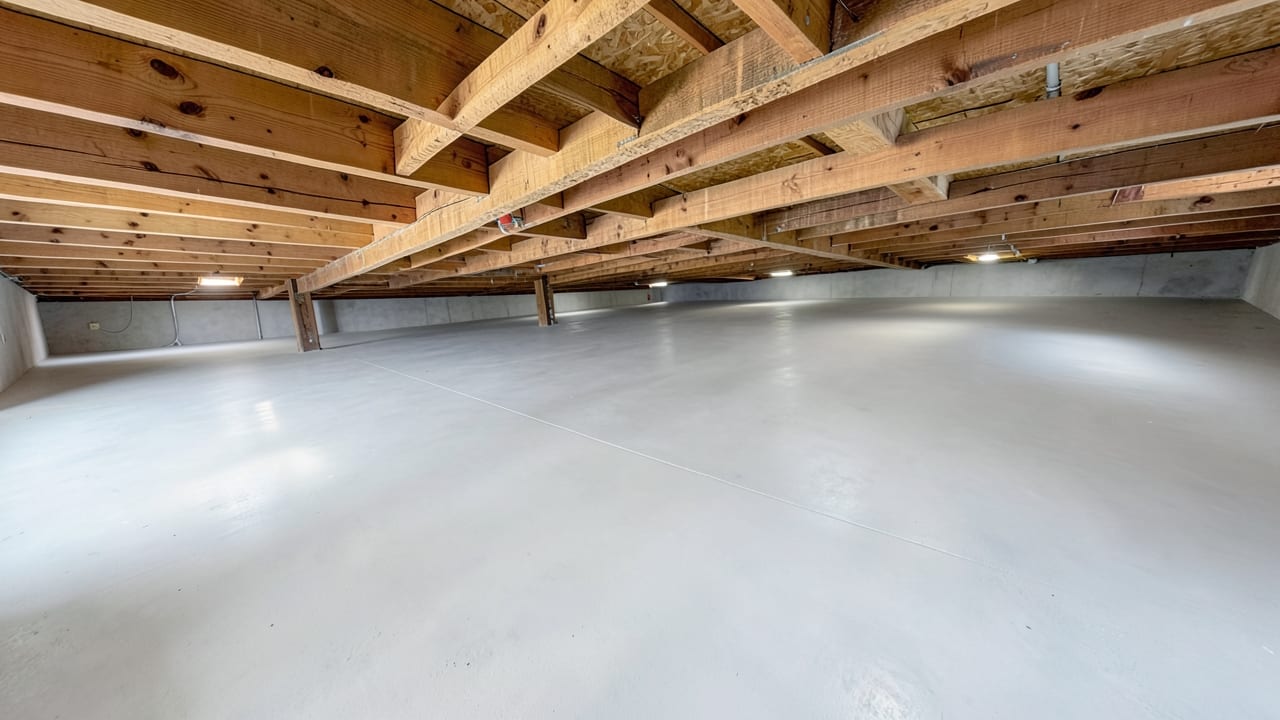
Sewer Backup Mold Cleanup in Glen Mills, PA
Professional cleanup of mold caused by sewer backups in homes.
Learn More
Retail Store Mold Remediation in Glen Mills, PA
Professional mold removal and remediation for retail stores to restore safe, clean environments.
Learn More
Clinic Mold Remediation in Glen Mills, PA
Professional mold removal and remediation to restore safe, healthy indoor spaces.
Learn MoreCommon Questions About Mold Remediation in Glen Mills
Everything you need to know about mold remediation services in Glen Mills
How much does Pipe Leak Mold Removal typically cost in Glen Mills, PA?
Why does Glen Mills, PA's humidity make mold a bigger risk than in drier regions?
How long does a typical mold remediation job take?
Is it safe to stay in the home during mold remediation?
Can small mold problems be handled without hiring anyone?
What's the actual difference between mold removal and mold remediation?
Need Mold Remediation in Glen Mills?
Connect with local providers in Glen Mills for a detailed quote.
⏰ We answer your call • Serving all of Glen Mills and surrounding areas