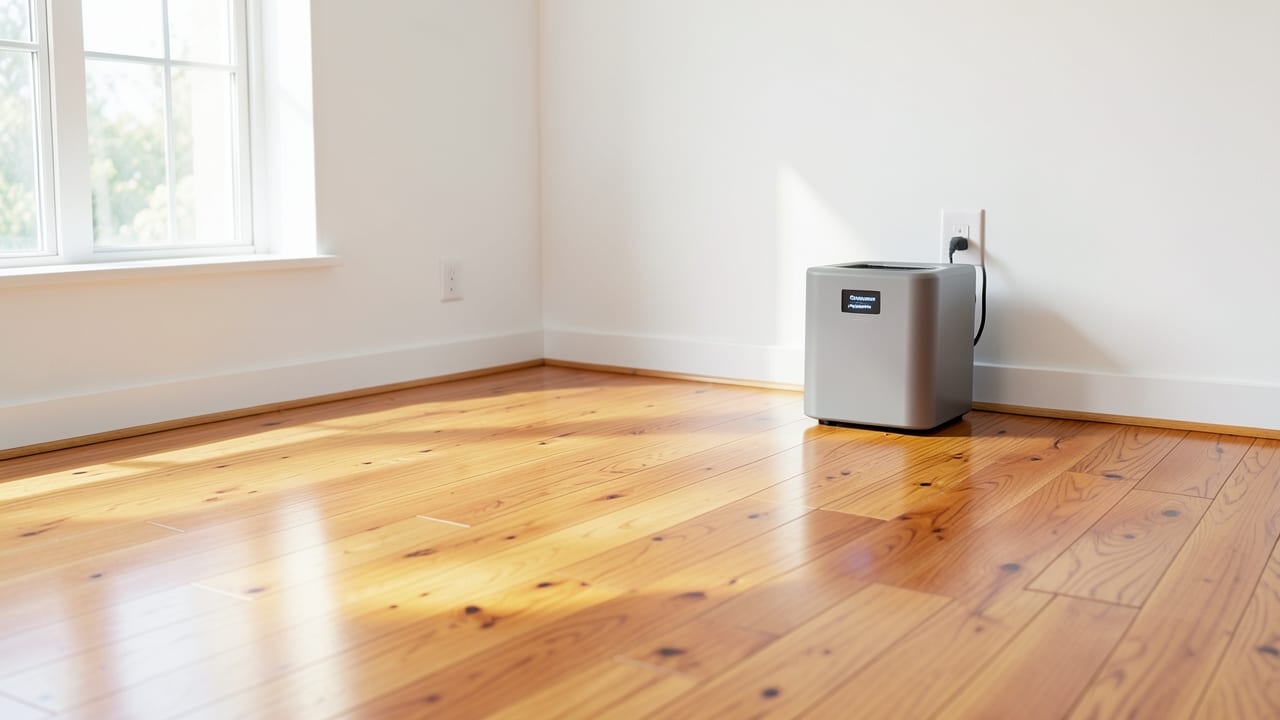
Pet Urine Mold Treatment
Professional removal of mold caused by pet urine in homes, including assessment and treatment.
Pet urine can leave behind more than just odors—it often causes hidden mold growth in carpets, subflooring, and walls of Glen Mills homes. Specialized treatment involves locating, removing, and preventing regrowth of mold caused by animal waste, restoring a healthier indoor environment for your family and pets.
When pet urine mold needs professional treatment
Pet urine mold often starts small but can spread quickly if moisture and organic waste remain. If you notice a persistent musty smell, visible mold stains that return after cleaning, or damp spots in carpets or walls, these are signs the problem may be beyond surface-level solutions.
We also handle Concrete Mold Remediation and Garage Mold Removal for Glen Mills properties.
Hidden growth—especially under flooring or inside walls—requires professional tools and techniques to address safely and effectively.
Glen Mills homes with pets are especially vulnerable in high-traffic areas like basements, bathrooms, or bedrooms where accidents occur frequently. Without proper drying and treatment, mold can penetrate porous materials like drywall and carpet padding, making cleanup more difficult and costly over time.
Signs Your Pet Urine Mold Needs Professional Help
- Mold covers more than a small, isolated patch (typically over 25 contiguous square feet).
- Musty odors persist even after cleaning carpets or washing walls.
- Visible mold returns within weeks of cleaning, indicating hidden moisture or regrowth.
- Dampness or warping in subflooring, walls, or under carpets—signs of structural moisture issues.
What affects cost and timeline for treatment
The size of the affected area, the materials involved (e.g., carpet vs. drywall), and whether hidden moisture sources must be addressed all influence pricing. Treatment typically includes containment, removal of contaminated materials, HEPA filtration, structural drying, and clearance testing—each step adds to the overall cost and time required.
Pricing for pet urine mold treatment in Glen Mills is usually project-specific rather than fixed, as a site visit determines the exact scope. Specialty treatments, like enzymatic odor removal or refinishing furniture, may require additional labor or subcontractors, further adjusting the final quote.
Why containment and testing matter
During treatment, plastic sheeting and negative-air machines seal off the work area to prevent mold spores from spreading to unaffected parts of your home. Skipping containment risks contaminating hallways, HVAC systems, or other rooms, turning a small job into a larger, more expensive one.
HEPA air scrubbers and vacuums ensure spores are captured, not recirculated.
Clearance testing by an independent lab confirms mold levels return to normal before the area is reopened. Without testing, there’s no way to verify whether the treatment fully resolved the issue—or if hidden growth remains.
Using non-HEPA vacuums or air scrubbers spreads spores instead of capturing them. Paying for remediation without fixing leaks, poor ventilation, or grading issues ensures mold returns within months.
How pet urine mold treatment works
- 1Containment Setup
Plastic sheeting and negative-air machines isolate the affected area to prevent spores from spreading during removal.
- 2Removal of Contaminated Materials
Porous materials like drywall or carpet padding—absorbed with mold—are cut out and sealed in bags, while non-porous surfaces are scrubbed and treated.
- 3HEPA Filtration and Drying
HEPA air scrubbers and vacuums capture spores, and industrial dehumidifiers dry framing and subflooring to prevent regrowth.
- 4Clearance Testing
An independent lab tests air or surfaces to confirm mold levels are back to normal before containment is removed.
- 5Moisture Source Fix
Leaks, poor ventilation, or grading issues are addressed to stop future mold growth, though this step depends on the specific cause.
Frequently asked questions
How do I know if my pet’s urine mold has spread beyond the carpet?
Look for musty smells in walls, under flooring, or near baseboards—these often indicate hidden growth. Warping, discoloration, or dampness in subflooring are other red flags. If mold keeps returning after cleaning, it’s likely spreading into structural materials.
Will my home’s HVAC system spread mold spores during treatment?
No, if containment is properly set up. Plastic barriers and negative-air machines prevent spores from entering ducts or circulating through the home. Turning off the HVAC during treatment further reduces risk.
How long does it take to fully treat pet urine mold in a Glen Mills home?
Most projects take 3–7 days, depending on the size and complexity. Containment, removal, drying, and testing are sequential steps—rushing any of them can compromise results.
Do I need to leave my home during treatment?
You may be asked to vacate the area for safety, especially if containment involves cutting into walls or flooring. The crew will provide guidance based on the scope of work.
See Trainer, PA for more, or check out our full Glen Mills-area coverage across the area for our complete lineup.
Ready to get started?
Talk to a local mold remediation pro in Glen Mills — get a written quote.
Other Mold Remediation Services in Glen Mills
Concrete Mold Remediation in Glen Mills, PA
Professional removal and treatment of mold from concrete surfaces in homes.
Learn More
Garage Mold Removal in Glen Mills, PA
Professional assessment and removal of mold growth in garages to restore a safe, clean space.
Learn More
Laundry Room Mold Cleanup in Glen Mills, PA
Professional mold removal and remediation in laundry rooms to restore a safe, clean space.
Learn More
Plaster Mold Remediation in Glen Mills, PA
Professional removal and treatment of mold from plaster surfaces in homes.
Learn More
Ceiling Mold Removal in Glen Mills, PA
Professional removal of mold growth from ceilings, including containment and cleanup.
Learn More
Window Sill Mold Cleanup in Glen Mills, PA
Professional cleanup of mold growth on window sills to restore a healthy indoor environment.
Learn MoreCommon Questions About Mold Remediation in Glen Mills
Everything you need to know about mold remediation services in Glen Mills
How much does Pet Urine Mold Treatment typically cost in Glen Mills, PA?
Why does Glen Mills, PA's humidity make mold a bigger risk than in drier regions?
What's the actual difference between mold removal and mold remediation?
Is a final clearance test part of a typical mold remediation job?
How does mold remediation actually prevent the problem from coming back?
Can mold growing inside HVAC ductwork spread to the rest of a home?
Need Mold Remediation in Glen Mills?
Connect with local providers in Glen Mills for a detailed quote.
⏰ We answer your call • Serving all of Glen Mills and surrounding areas